becoming visible
Explore stories of queer creatives who defied convention
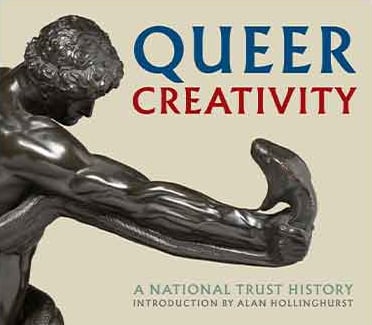
The Trust looks after remarkable cultural heritage shaped by people who challenged expectations around gender and sexuality. To celebrate the publication of a new book, Queer Creativity: A National Trust History, co-authors Dawn Hoskin and
Richard Ashbourne reflect upon the lives, experiences and creative contributions of those who lived differently
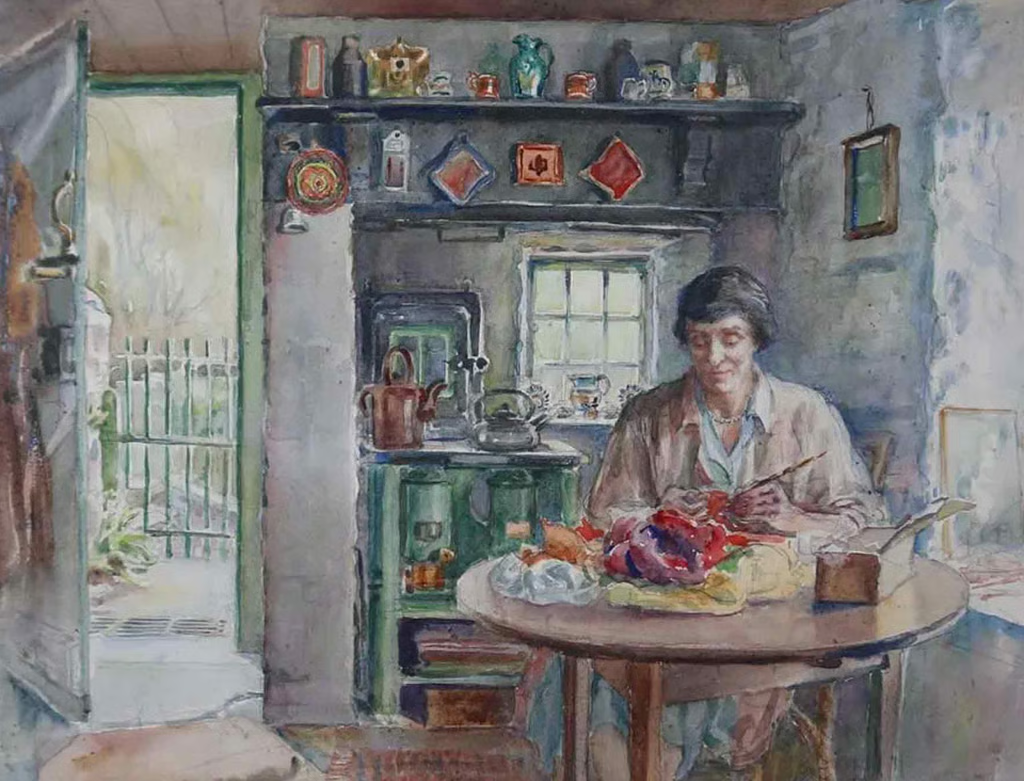
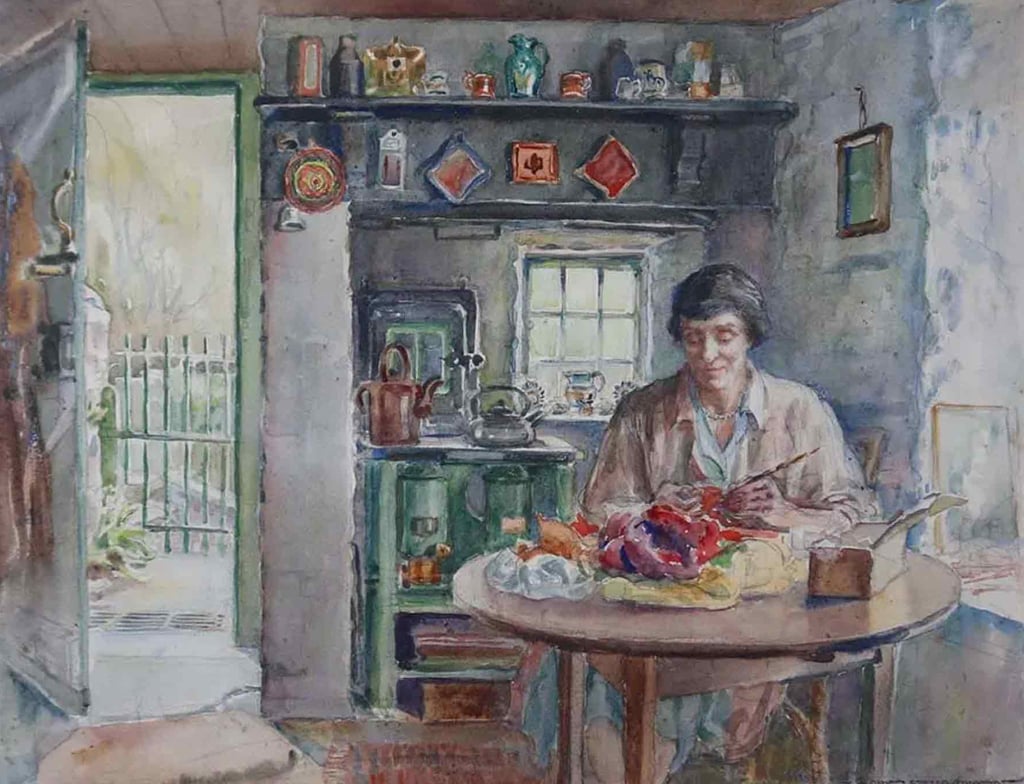
Above Judith Ackland at work in the cabin by Mary Stella Edwards at Bucks Mills, Devon
The Burton at Bideford Art Gallery & Museum
Creativity emerges as something shaped through conversation, influence and shared experience
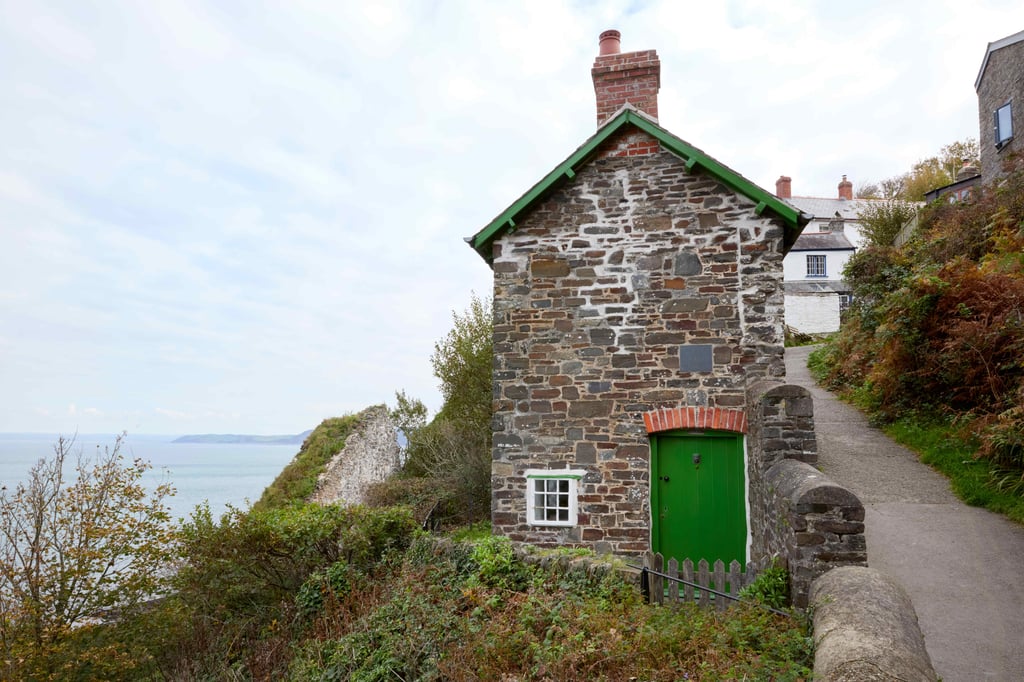
erched above the sea in a sleepy North Devon fishing hamlet, Bucks Mills Cabin still holds traces of the two artists who sought peace, inspiration and companionship there.
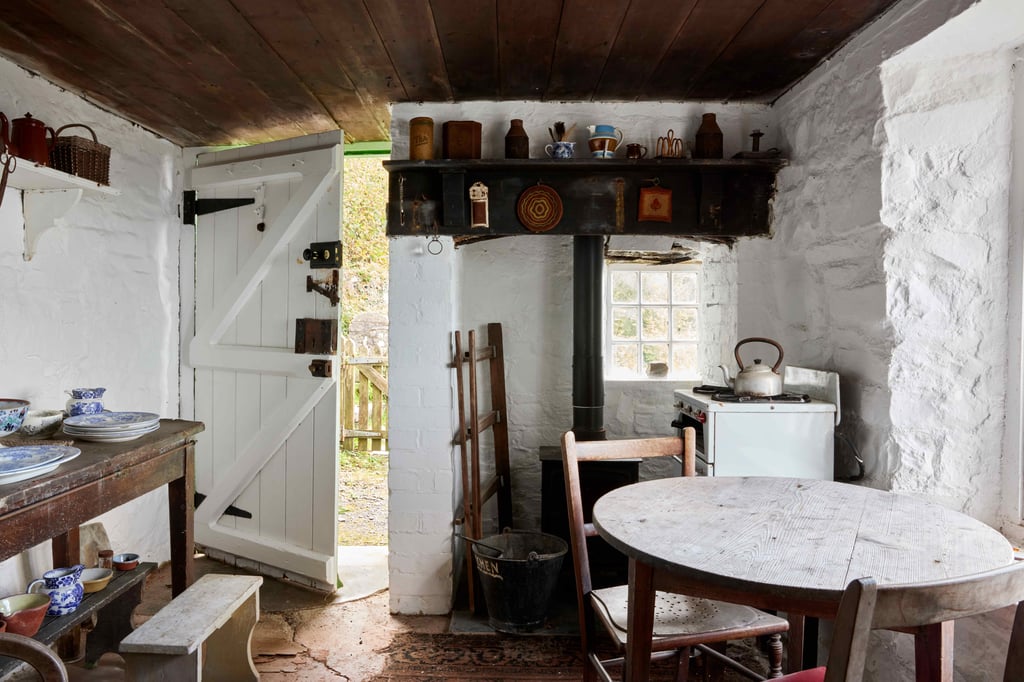
The squat stone cabin was the studio and summer residence of painters Judith Ackland and Mary Stella Edwards, who shared their lives and practice for over 50 years from the 1920s until Ackland’s death in 1971.
Bucks Mills Cabin was the quintessential secluded artists’ retreat, but for Ackland and Edwards it was also a place where they could build a life together on their own terms. Their blend of freedom and togetherness, set against the rugged coastline, became an endless source of artistic inspiration; they often painted each other in their sea-sprayed setting. Ackland focused on painting the local cliffs, tides and village scene around them, while Edwards was particularly drawn to the feel of the place, writing and painting about the movement, sounds and changing light of the sea. Their shared experience of the cabin and its surroundings fed directly into their artistic practice.
Edwards’ expressions of love for Ackland were often bound up with the sea and the natural world just beyond the cabin door. The process of making work from their immediate environment also opened space for them to reflect. A sense of place, their relationship and creative expressions were often interwoven. ‘I find I’ve written at the rate of a poem per month since we were at Bucks – which is exactly double my output for each year of the three years before that,’ she mused to Ackland in 1925. ‘You said that you had a hope that Bucks would make me write – but it is you and the place together.’
Above Christopher St John at her writing desk c. 1910–20
Through their creative work, letters and diaries, Edwards and Ackland reveal an experience shared by many of the people who lived differently at places now in Trust care. Observing, recording and responding to the coastal landscape could be a way of understanding and expressing themselves and their relationship. Reflecting on her life with Ackland in October 1973, Edwards wrote: ‘There is no “label” that could enclose all the kinds of love we felt for each other … the starry heights, the simple joy of “being” together, and all the deep happy relationships between.’
If we look closely, we can see this kind of inward reflection time and again in the artistic work and personal writings of queer creatives. Many discuss and consider questions of gender, sexuality and identity, showing an outward curiosity towards ever-evolving ideas. For some, creative practice became a way of working through their ideas – a means of understanding both themselves and the world around them. In bringing these stories together we consider their creations alongside where they chose to live, with whom they spent time, and how they navigated their place in society.
Many of the artists, writers and creatives featured here lived before terms such as ‘lesbian’, ‘gay’, ‘bisexual’ or ‘transgender’ came into use. Their experiences do not always map neatly onto modern ideas of identity, and the language we use now would not always have been available, or felt appropriate, to them. To allow space for this complexity, we use the term ‘queer’ (connected to the LGBTQ+ umbrella since the late 19th century) as a broad and flexible way of thinking. Where possible, we draw on people’s own words and those of their contemporaries to give a sense of how they understood themselves and those around them. We take a similarly expansive view of creativity, embracing not only artists and designers but also creative thinkers whose ideas found expression through writing, performance, collecting, gardening, homemaking and other pursuits – from the Georgian era through to the present day. Their stories can be found in the objects, places and traces they left behind – sometimes expressed openly and sometimes hidden in plain sight.
The art of the matter
From painting to sculpture, explore artworks from artists who defied convention
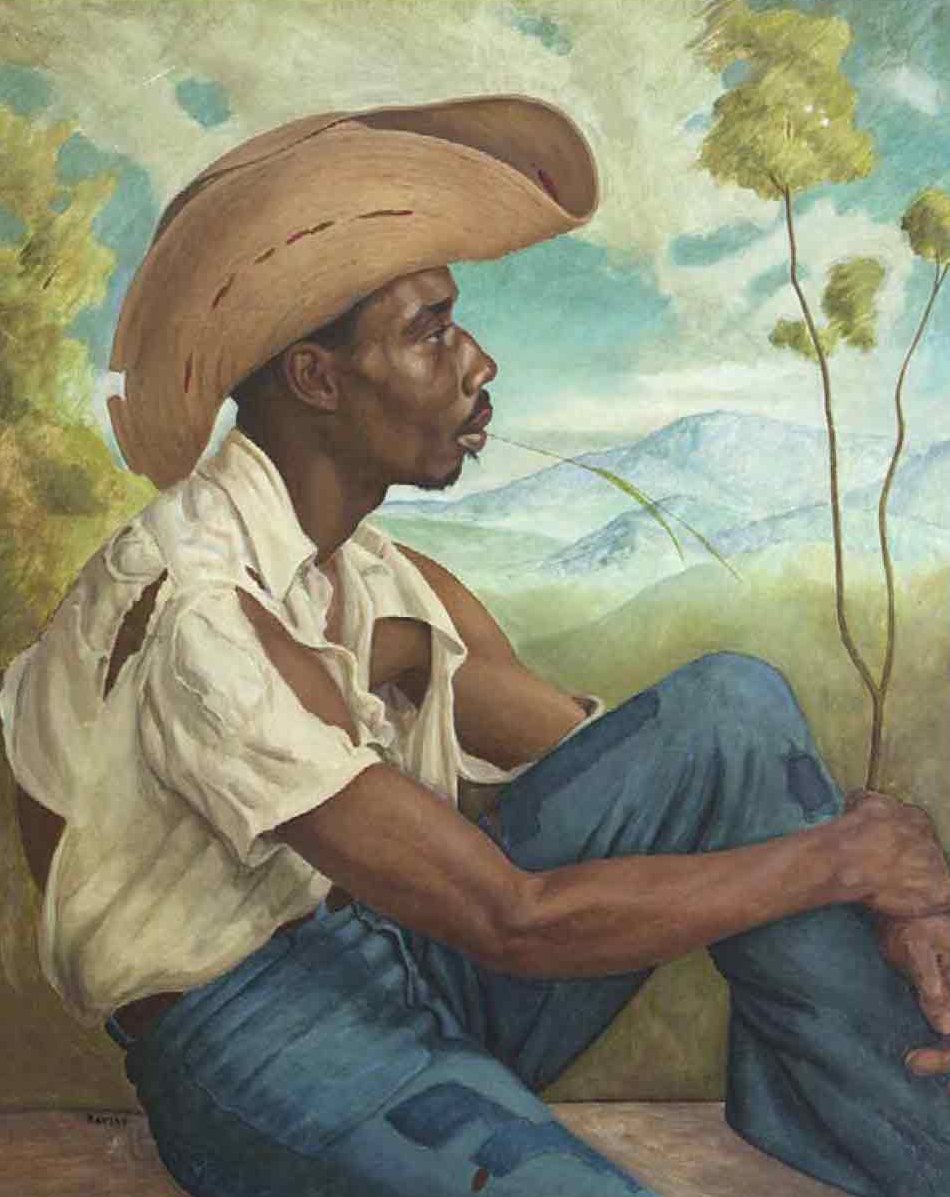
Seated Man in a Landscape, c.1950–58
Becoming Visible
Richmond Barthé was best known as a sculptor of black male figures, exploring themes of spirituality, beauty and the human form. A key figure of the Harlem Renaissance, he moved within a creative circle that included writers and thinkers, and he found trusted confidants who he could speak to openly about his guarded homosexuality. Painted during a period of relative isolation in Jamaica, Seated Man in a Landscape is one of his few surviving oils.
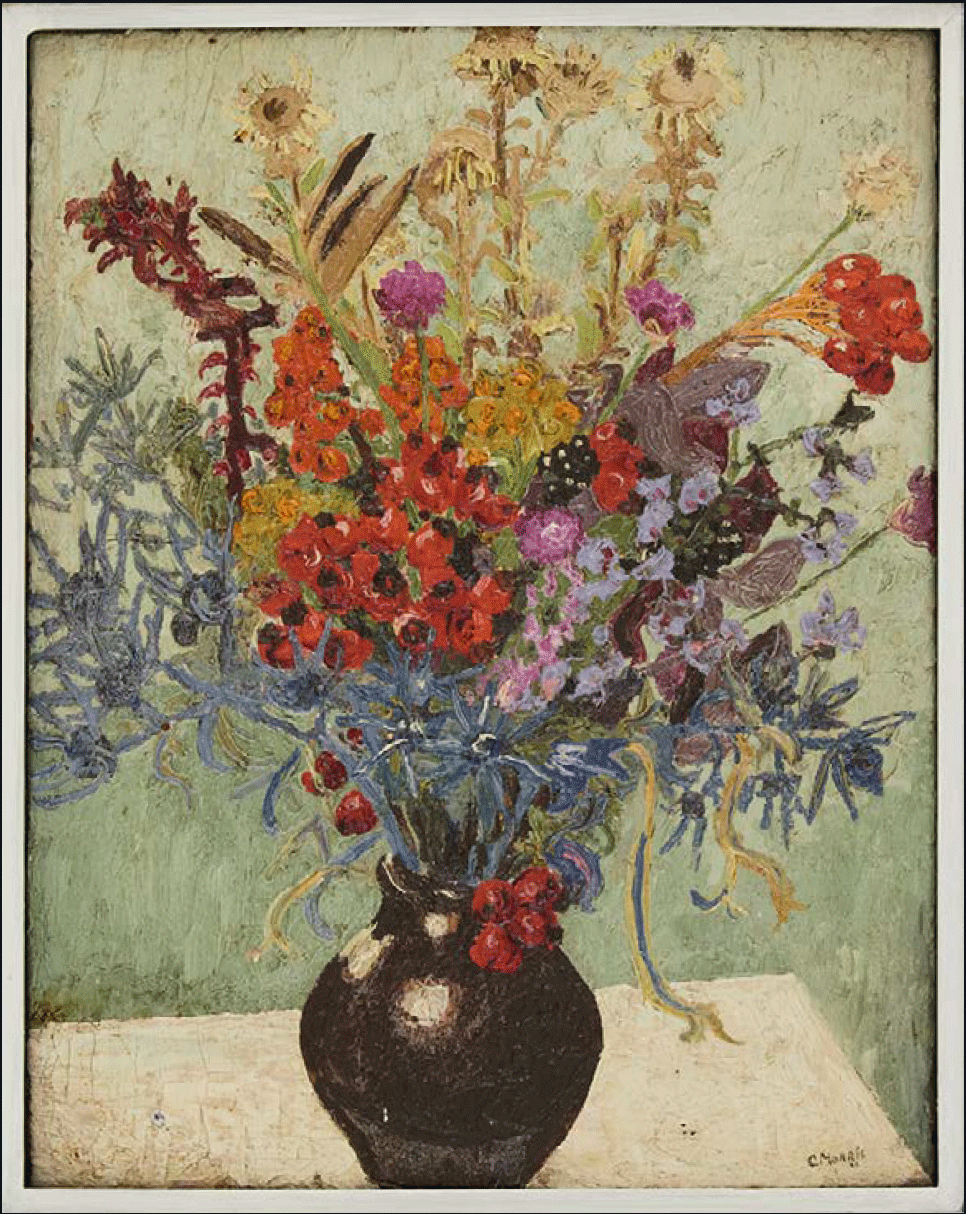


1/3
Christopher St John’s life (1871–1960) offers a vivid example of this kind of self-searching. Born Christabel Gertrude Marshall, she later adopted the names of two male saints and built a wide-ranging career as a journalist, critic, novelist, biographer and playwright.
Passionate about theatre and literature, she recalled actor Dame Ellen Terry as the ‘goddess of my youthful idolatry’, and remembered meeting Terry’s daughter Edith ‘Edy’ Craig as a defining moment. When shaking hands with Edy, who was mending her mother’s costumes in a theatre dressing room, her finger was pricked by Edy’s needle: ‘Cupid’s dart, for I loved Edy from that moment.’ Their partnership, later joined by Clare ‘Tony’ Atwood, formed what Vita Sackville-West described as ‘a triptych’. The trio later moved to the Priest’s House at Ellen’s home, Smallhythe in Kent. Reflecting on their shared life, St John wrote: ‘The fine point of our pleasure in being together was not blunted by excess of it … we belonged to the same world, the artist’s world. That established a camaraderie which was perfectly easy, unguarded and spontaneous.’
Across this wider world of reading, queer writers and readers drew on publications past and present to express and understand their experiences across poetry, philosophy, religion, fiction and science. Like many creatives, St John turned to many sources for insight. In a 1933 letter, she describes reading a bookby Havelock Ellis, a writer known for his studies of sexuality, ‘hoping to find something new in it’. It’s a small but telling glimpse of her ongoing search. Books like Ellis’s seven-volume Studies in the Psychology of Sex, published between 1896 and 1928, introduced new ways of thinking about gender and sexuality. They offered language and frameworks that could potentially help people begin to articulate and understand themselves more fully, even if they could not sufficiently reflect every experience.
All were orientating themselves in shifting legal, social and artistic landscapes. From the late 19th century, the shadow of Oscar Wilde lingered heavily across all three. Through his plays, essays and novel
The Picture of Dorian Gray, first published in 1890, Oscar Wilde became one of the defining voices of the Aesthetic Movement, shaping ideas about beauty, art and self-expression that extended far beyond literature. He was convicted of ‘gross indecency’ in 1895 and sentenced to two years of imprisonment and hard labour, which broke his health and spirit.
Celebrated and persecuted, his name became a byword for homosexuality and his downfall a symbolic warning. In E. M. Forster’s Maurice, written in 1913–14 but only published posthumously after his death to avoid damage to Forster’s reputation, the protagonist describes himself as ‘an unspeakable, of the Oscar Wilde sort’. For some, even reading Wilde could feel charged. Writer Beverley Nichols recalled being discovered with Wilde’s The Picture of Dorian Gray as
if he had been ‘caught in an illicit act’.
Above The same 17th-century Barn Theatre today, first used by Edy Craig for performances in 1929.
Left Interior of the Barn Theatre, Smallhythe Place, with Edith ‘Edy’ Craig, Charles Staite and Vera (Jack) Holme, by Clare ‘Tony’ Atwood (1939)
Estate of Clare Atwood
Many moments of joy and connection can be found in books, letters or marginal notes. When gay rights advocate and socialist Edward Carpenter (1844–1929) first read the work of the foundational American queer poet Walt Whitman, he described it as a moment of sudden, joyful alignment, encountering a way of thinking that seemed to echo his own feelings. It offered a powerful sense that he was not alone; that a language for his experiences might slowly take shape.
Christopher St John’s sense of ease and belonging was rooted in her shared life at Smallhythe with Craig and Atwood. Here, work and life intertwined, with writing, painting and theatre-making all happening side by side. As a theatre director and founder of the Pioneer Players, Craig’s productions brought together performers, designers and writers, and often platformed women while exploring progressive ideas such as workers’ rights, class, sex work and abortion.
Across the early 20th century, many queer creatives lived amidst communities like the one at Smallhythe, sometimes in looser urban circles. The Bloomsbury Group, for example, was an informal network of writers, artists and thinkers. It included Virginia Woolf, E. M. Forster and Duncan Grant, whose friendships shaped their personal lives and their work. Relationships were often intertwined – romantic, intellectual, collaborative – and fed directly into members of the group’s work. Woolf’s 1928 novel Orlando, inspired by Vita Sackville-West, or Grant’s paintings of his lovers and friends, are just two visible traces of how closely these worlds overlapped. Again and again, creativity emerges not as something produced in isolation but as something shaped through conversation, influence and shared experience.
As we trace the circles people moved in, a broader picture comes into view – not fixed or neatly contained, but expanding outwards through a web of overlapping relationships. These connections reveal where people felt most at ease, whom they trusted, and the kinds of lives they were able to imagine together. They also challenge the idea of queer lives as solitary or defined only by struggle. Shared experience helped shape lives that were often rich, productive and creative.
That is why these stories still matter. They are part of a wider shared history. They show how people come to understand themselves over time – through connection, experimentation and creativity. Their legacy lies not only in what they made, but in what they made possible: the confidence to question, to connect, and to imagine different ways of living.
Dawn Hoskin
is a National Trust Cultural Heritage Curator and Curatorial Lead for the Trust’s LGBTQ+ Steering Group. She is also a freelance curator and researcher, and is the author of The Short Story of Queer Art (2025).
Richard Ashbourne
is an Assistant National Curator with the National Trust, where he has worked in curatorial, collections and interpretation roles since 2017.

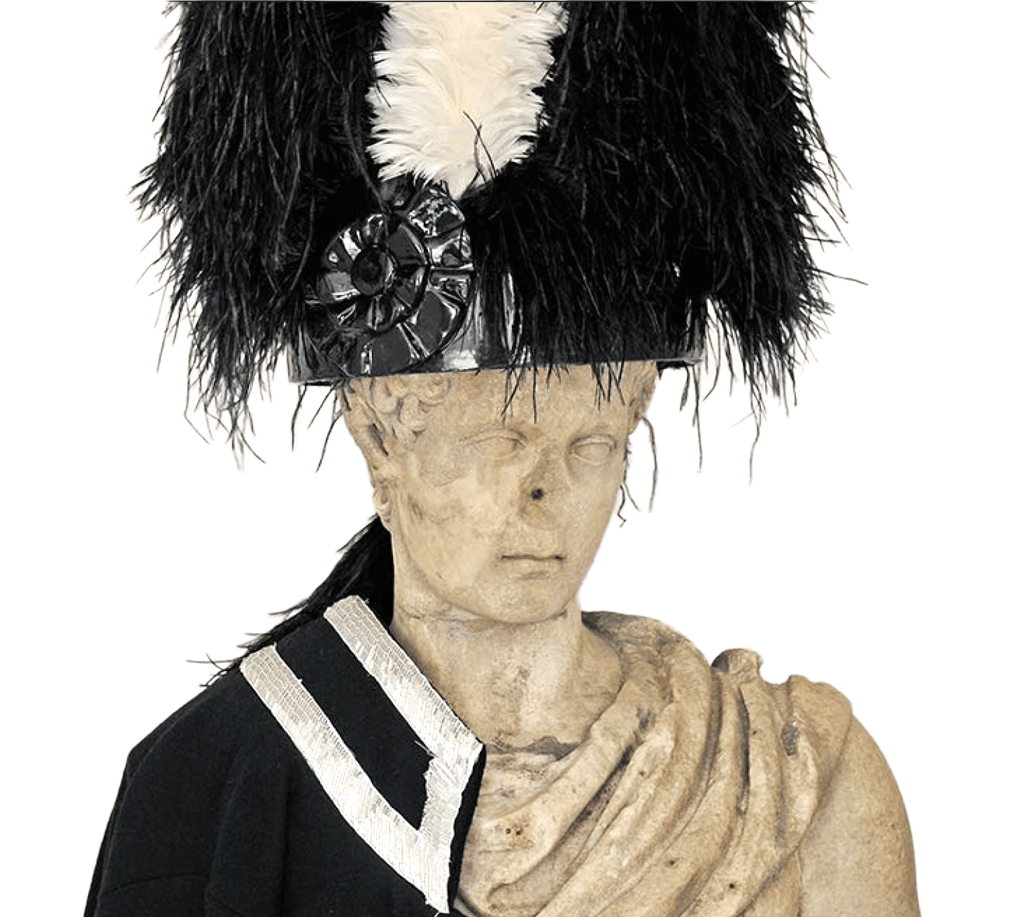
National Trust x 3, Sussie Ahlburg (c) Unravelled Arts

Contact us
General enquiries, including changing membership details:


0344 800 1895

Supporter Service Centre, National Trust, PO Box 7083, Stratford-upon-Avon, CV37 1XE

Leaving a lasting gift
Gifts in wills are vital to help us care for the places you love, from beautiful landscapes and coastline to historic properties. Every gift, no matter the size, makes a lasting difference in helping look after nature, beauty and history for future generations to enjoy.
Find out how to write or update your will using our free guide.
For everyone, for ever