news
The latest news from around the Trust
Building Arcadia
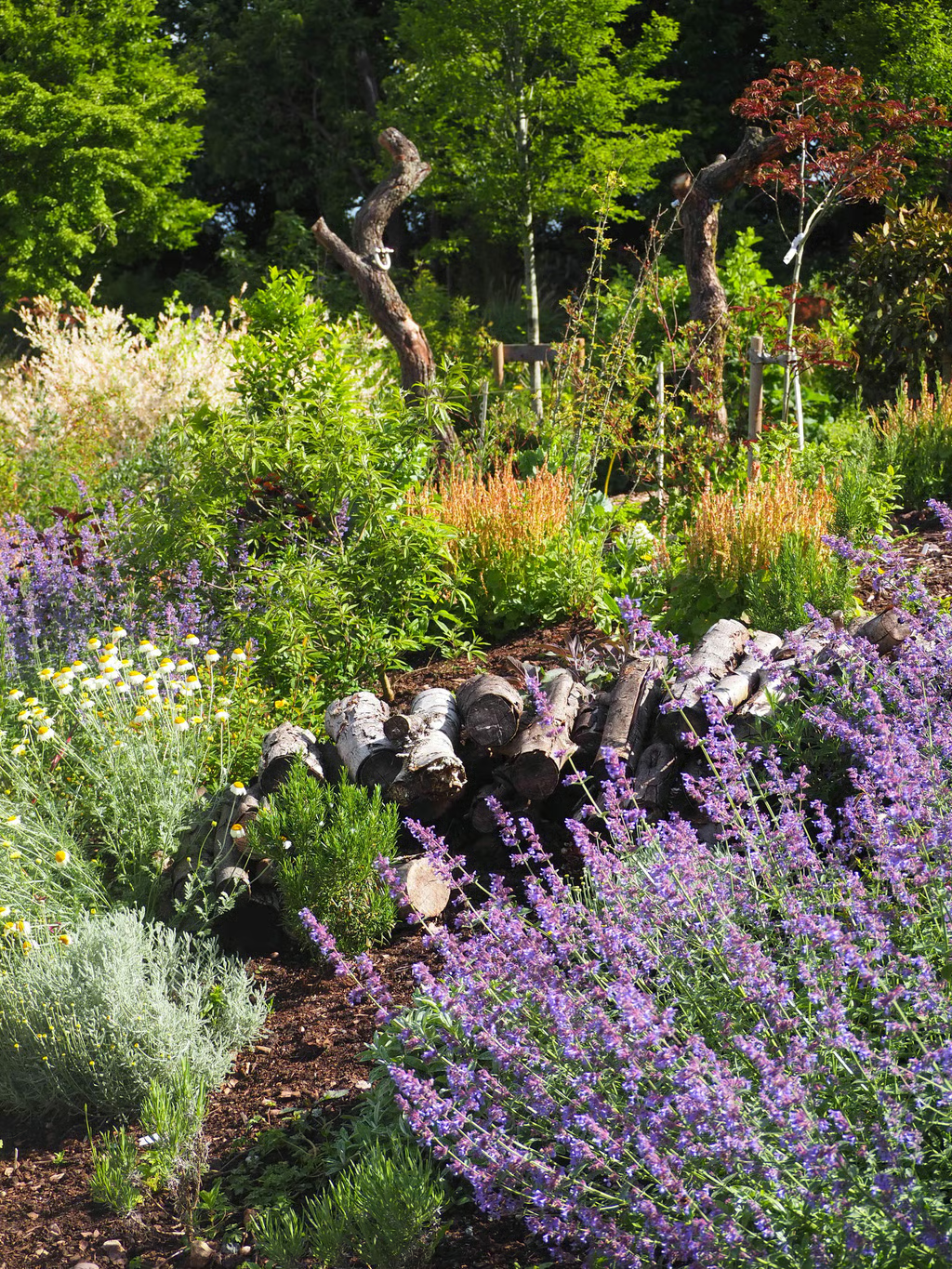
At Shugborough Estate in Staffordshire, an exciting new project is taking root. Known as Arcadia, part of the estate has been redesigned as a forest garden, where every plant is a vital part of the self-sustaining ecosystem.
Carefully planned pairings of mutually beneficial plants will allow the innovative garden to water and fertilise itself. It’s a magic trick that helps build resilience against pests, disease and climate change.
And it’s not just clever – it’s beautiful. Within the sanctuary of the Grade-II listed walled garden, visitors will be able to weave through interconnected areas and learn about the more than 100,000 plants that make Arcadia’s ecosystem possible, and how to apply the idea of forest gardening to your own green spaces.
Arcadia will open to visitors in autumn 2026 as the Trust’s first forest garden, and the largest of its kind in the UK.

Living legacy
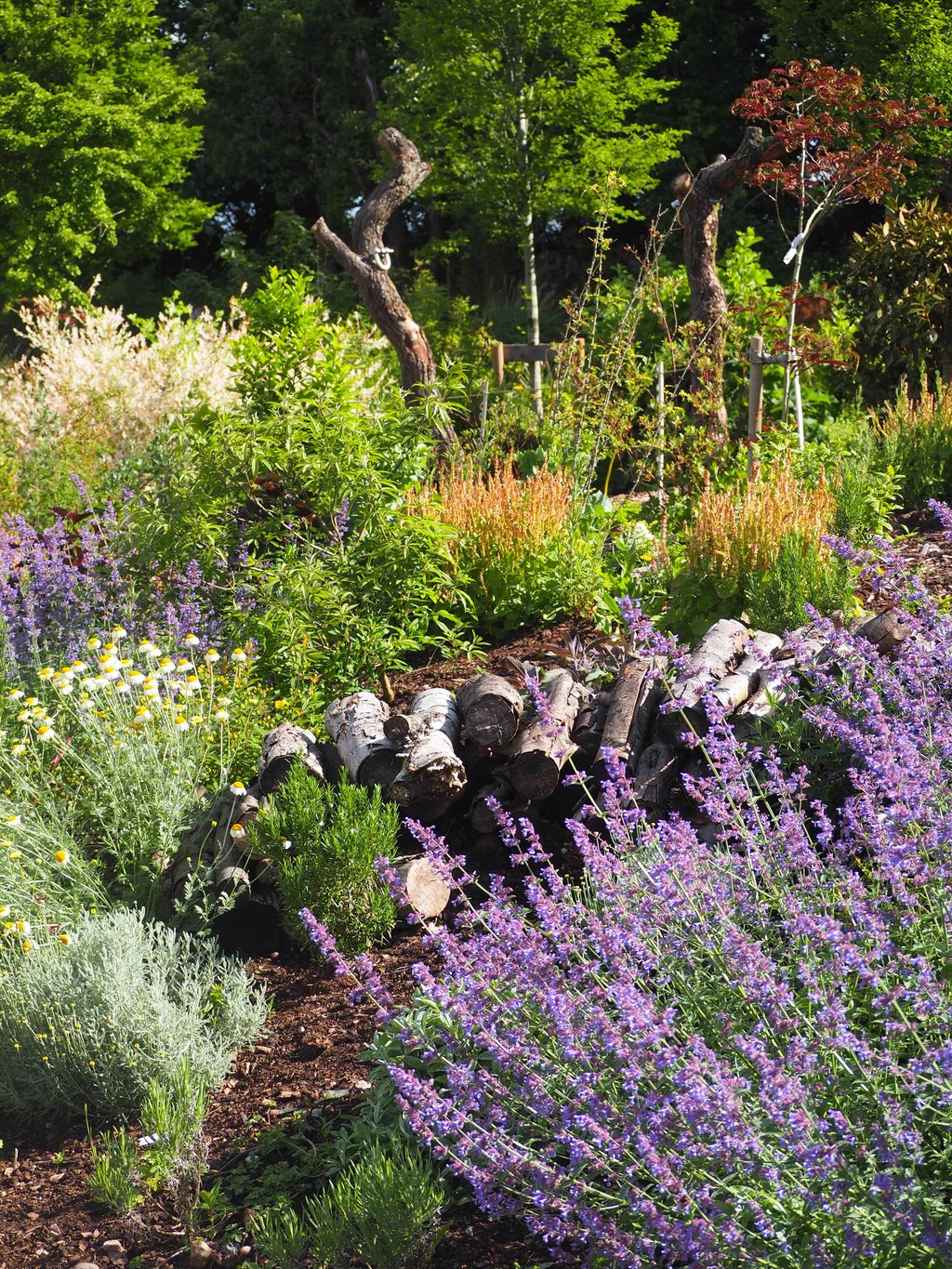
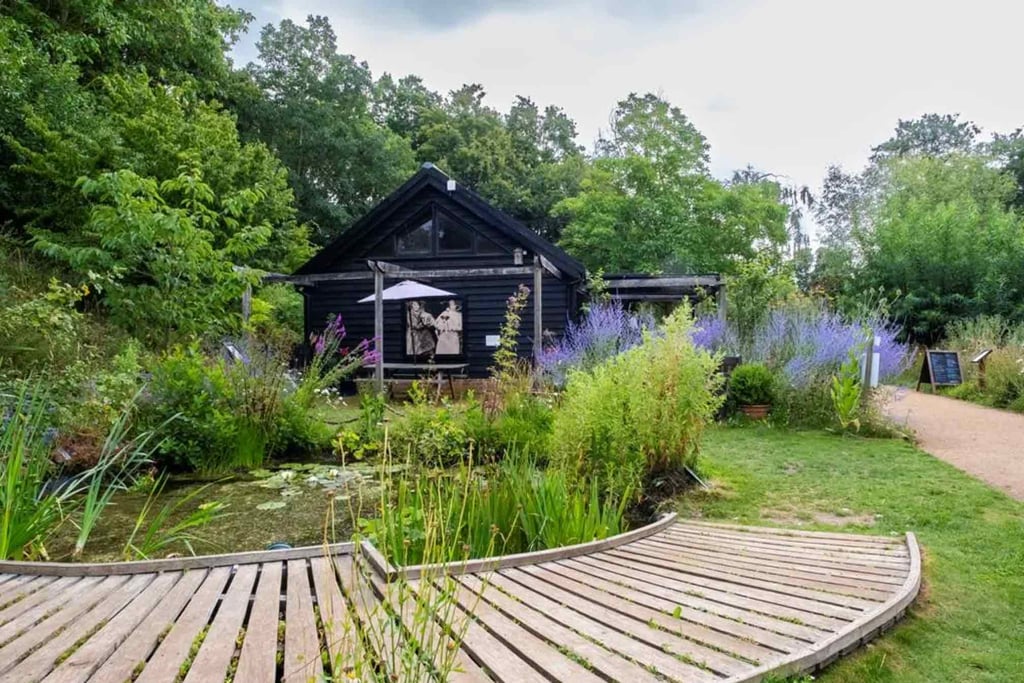
In the charming Suffolk hamlet of Flatford, riverside cottages, paths and meadows once served as the inspiration for some of John Constable’s most famous paintings, including The Hay Wain (1821). We’re expanding our work to protect and celebrate this part of the country he loved by finalising our plans to take over the running the Flatford Wildlife Garden.
The garden was first opened to the public by the RSPB in 2011, with the aim of inspiring visitors to have their own wildlife-friendly gardening ideas. Growing the legacy of the RSPB’s work, the Trust plans to open the garden in 2027, continuing to maintain and develop it for people’s enjoyment and wildlife’s benefit. In the future we hope to offer sensory experiences and improved access to this tranquil corner of Flatford.
Rievaulx reunited
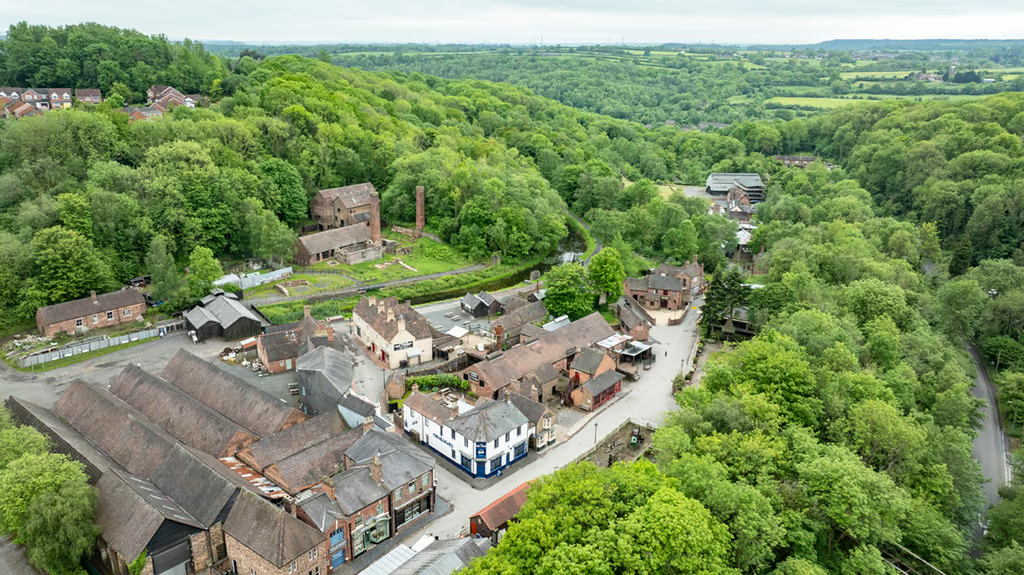
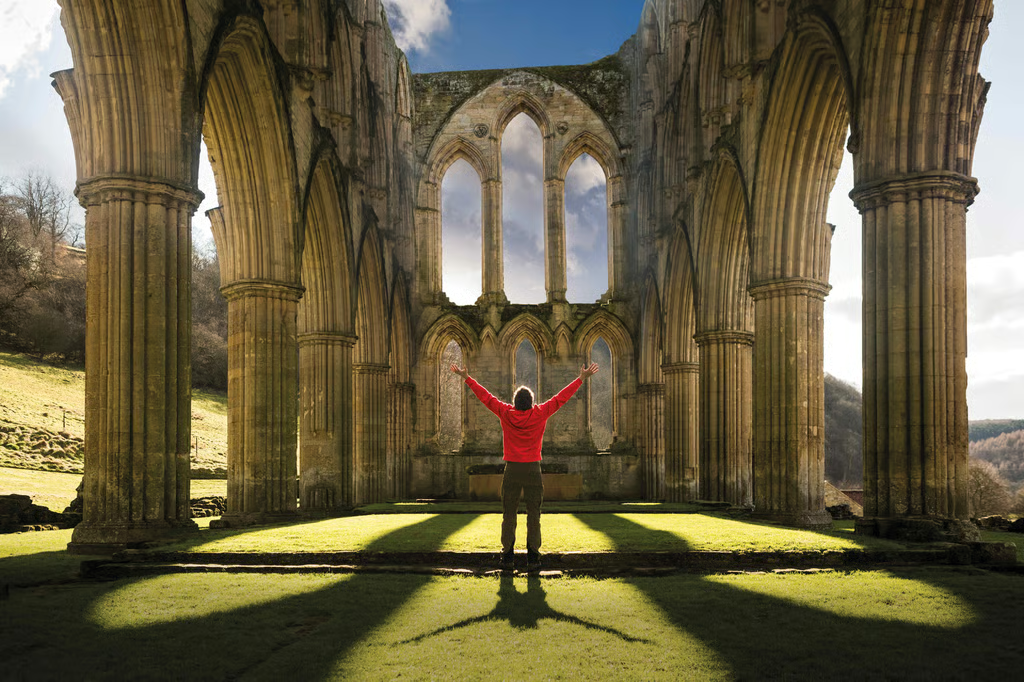
Rising from the tranquil River Rye valley in North Yorkshire, Rievaulx Abbey has looked out over its landscape for nearly a millennium. English Heritage cares for the historic abbey ruins – and now, as part of a new agreement, National Trust members can visit them for free.
The move reunites the abbey with neighbouring Rievaulx Terrace, one
of Yorkshire’s finest 18th-century landscape gardens. The gardens, which are owned by the Trust, have been leased to English Heritage as part of the new arrangements.
Rievaulx Terrace is one of the best spots to view the abbey ruins, and the roots connecting the two places run deep.
Homes for nature
Going to bat
A 19th-century Gothic folly on the Petworth Estate has been kitted out with a ‘thermocline hibernaculum’, which makes a perfect pad for rare greater horseshoe bats. It creates stable climate conditions for their winter hibernation and summer breeding.
Watery digs
Over 150 water voles were released in North Devon in June. And 300 more were released into the North Wey River in the South Downs, thanks to a partnership between local people, landowners and organisations including the Trust.

Pine haven
Den boxes for pine martens have been installed at Stourhead in Wiltshire, and some of the elusive mustelids have already been spotted on the estate. The Trust is working with Wiltshire Mammal Group and The Vincent Wildlife Trust to monitor their presence, with the hope that they’ll thrive here.
Beneath the paint
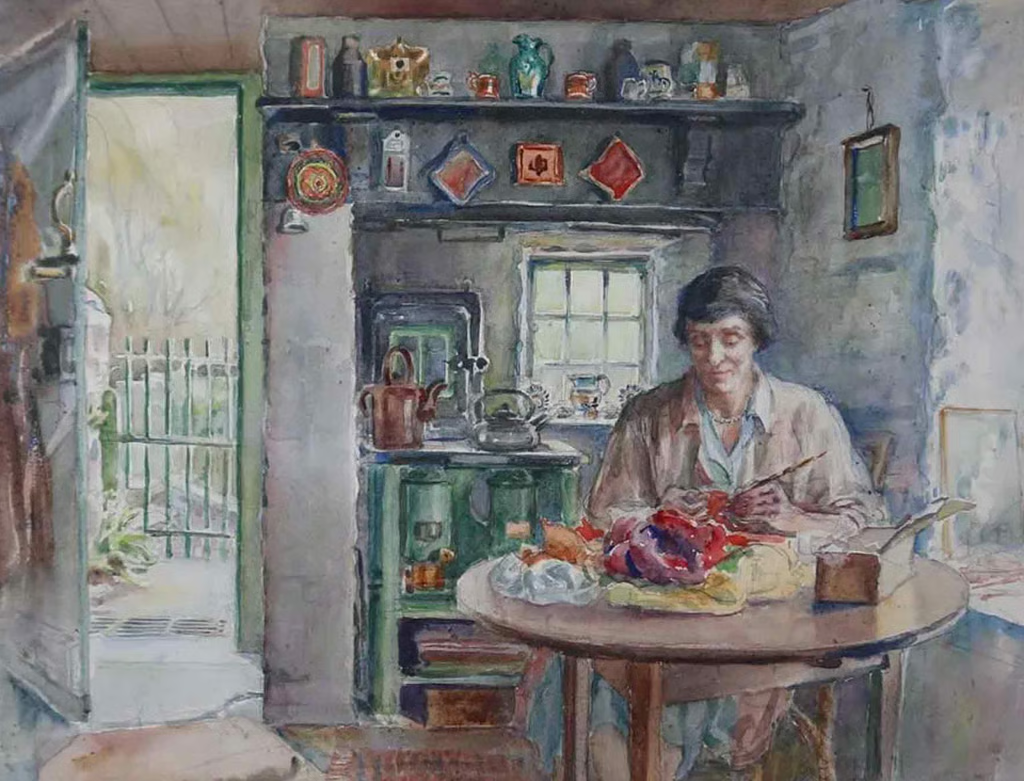
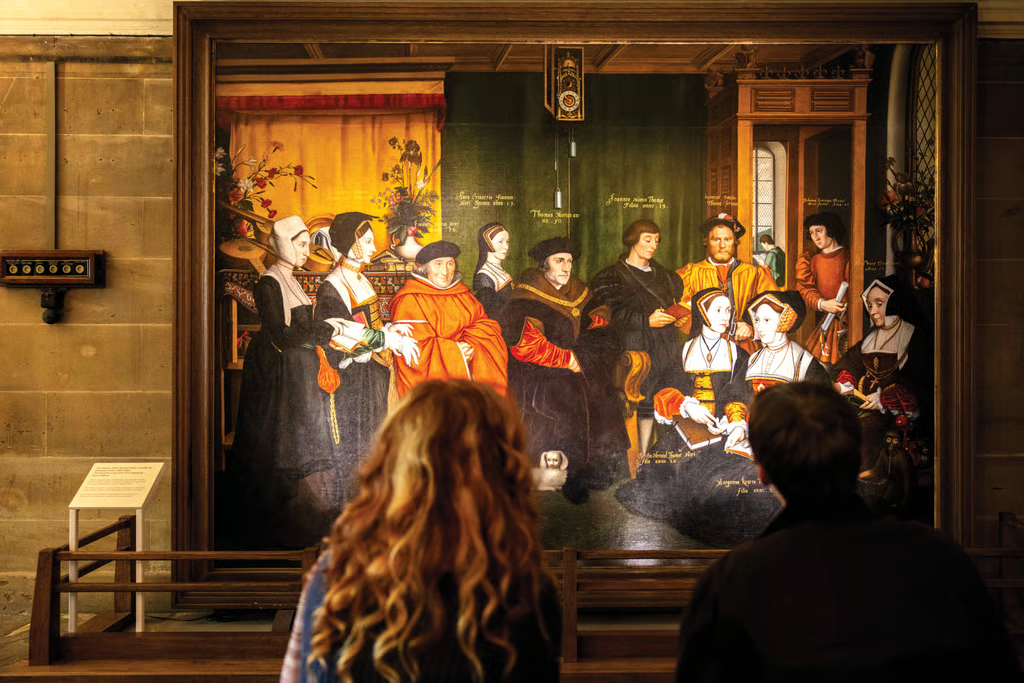
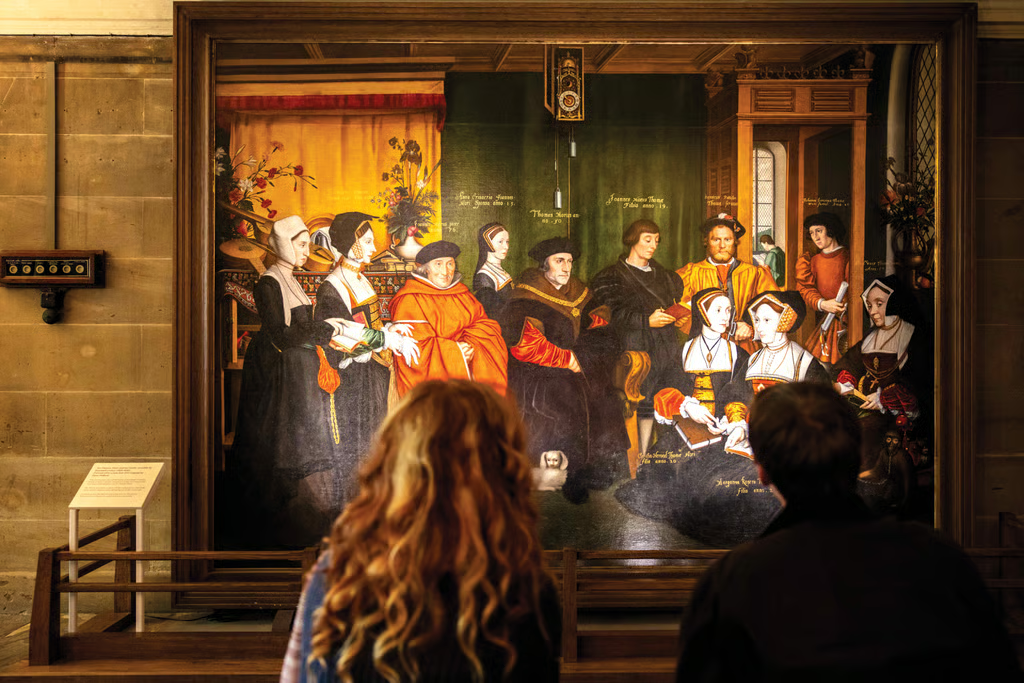
Visitors to Nostell in West Yorkshire can take a closer look at one of the greatest treasures in its collection – a painting of Sir Thomas More and his Family (c. 1592–1620). The work shows three generations of the family of Henry VIII’s Lord Chancellor, who was executed for treason for not supporting the annulment of the King’s first marriage. It’s a rare copy of the lost original by German painter Hans Holbein the Younger, composed before More’s execution in 1535.
In early September visitors to Nostell can see the painting undergoing technical analysis, using infrared reflectography and a newer imaging technique called MA-XRF. The aim is to solve some of the mysteries around the artwork – such as who painted it, is it a close copy of Holbein’s original, and has it been altered over time? While the analysis takes place on site, there’ll be pop-up talks by the specialists doing the work. Why not return in spring 2027 to discover the full results?
Q&A
Gardener, activist and National Trust Ambassador Tayshan Hayden-Smith discusses the inaugural ‘Closing the Green Gap’ community garden in North Kensington
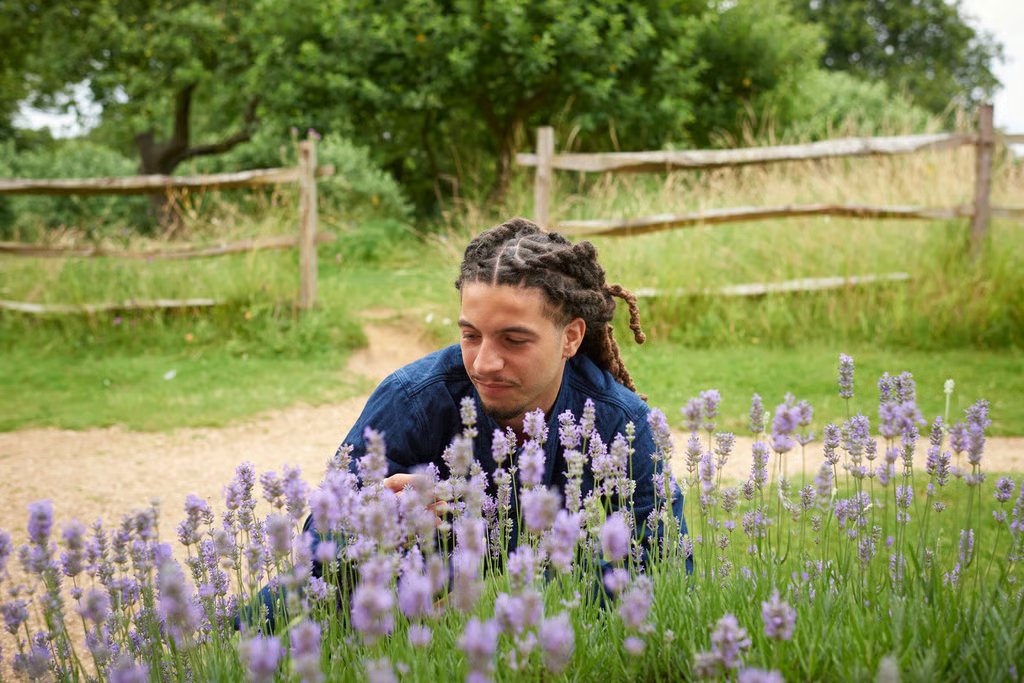
Above Tayshan hopes more young people will be able to experience the power of gardening and nature
What inspired you to create this garden with Lancaster Youth Hub?
I founded Grow to Know – a not-for-profit collective – in the wake of 2017’s Grenfell Tower tragedy. It was one of the biggest preventable tragedies in recent history. In the aftermath of the fire, a movement grew of guerrilla gardening by local young people, building living spaces in a community that deserved so much more.
That spirit brought us to Lancaster Youth Hub, one of only a few youth clubs left in North Kensington. Together, we wanted to do something to help counteract the many institutional failures that have seen young people in this area deprioritised and left to fend for themselves. This sparked our ‘Closing the Green Gap’ campaign to create a series of community gardens shaped by the people who use these spaces every day. The Hub felt like a natural home for our inaugural garden.
What are your hopes for the garden when it opens?
The community garden will truly belong to the young people who co-designed it, and the hope is for a new wave of young horticulturalists, garden designers and architects to emerge from North Kensington.
What are the next steps for ‘Closing the Green Gap’?
As well as supporting the young people to steward and use the first garden as they see fit, we’ll be working on the second Closing the Green Gap space at Meanwhile Gardens in Westbourne, North Kensington. We’re aiming to have it co-designed and built in 2027 – so much to do and so little time! But with the Trust’s continued support with advocacy and advice from experts, I’m confident we’ll get there. We’ll also be raising funds for Closing the Green Gap: In the Wild, which will see young people from North Kensington travel to beautiful places, sometimes overnight.
What’s the value of gardening for young people?
Priceless. As someone who started gardening aged 20 following the Grenfell Tower tragedy, I’d say that gardening and nature came to my rescue. I’ve seen just how powerful it can be. Now imagine if every young person was able to experience that.
Changing Chalk
A four-year partnership to restore globally rare chalk grassland across the eastern South Downs has concluded. It’s boosted habitats for nature and local opportunities in the area, and celebrated the long human history locked in the landscape.
650
ha of chalk grassland have been transformed into havens for wildlife to support this rare habitat’s mosaic of grassland species, which range from orchids to reptiles.
£4.27m
invested in nature, people and heritage by The National Lottery Heritage Fund, partner contributions and generous support from other funders.
30,000
hours have been contributed by volunteers to community activities and nature conservation tasks – thank you!
32
rare wart-biter bush-crickets were translocated within the project area to establish a new population in the South Downs.
13
organisations worked together on the project, including conservation and community groups, local councils, farmers and research institutions.
21
interlinked projects connected communities to the landscape on their doorstep.
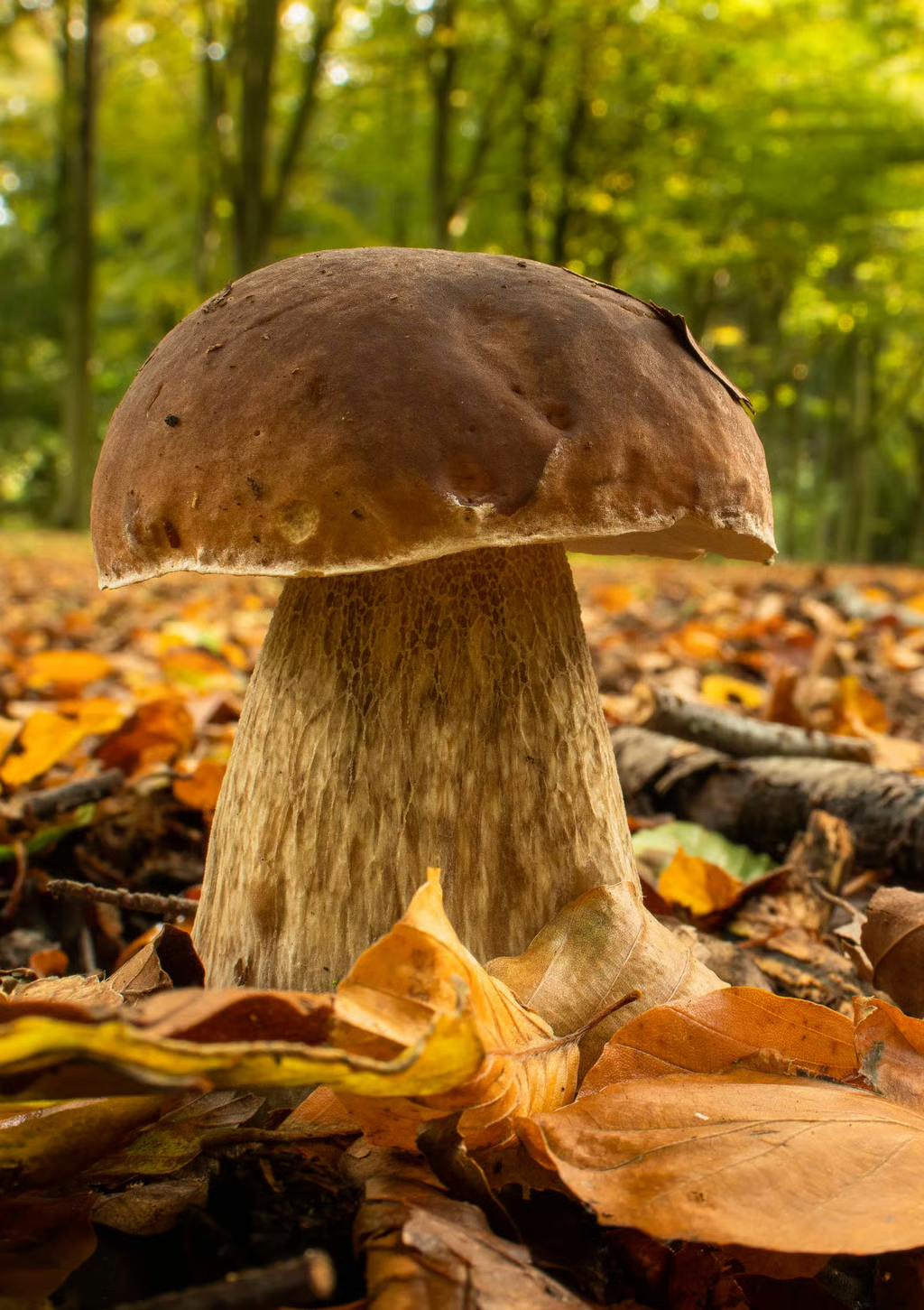
Fungi future
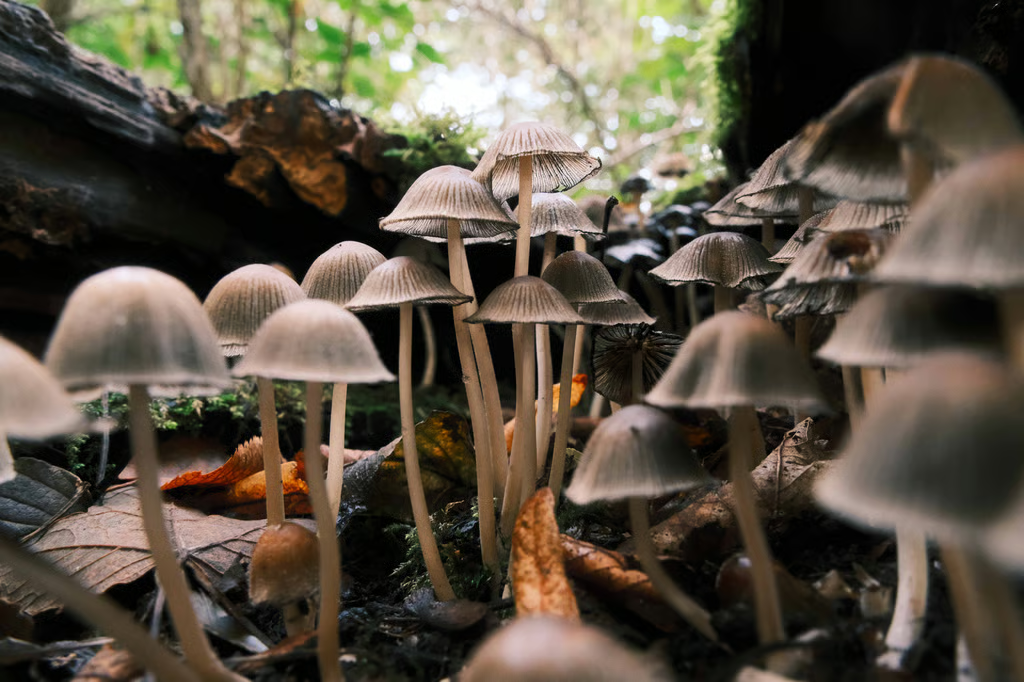
A farm at Wallington, Northumberland, will be the first site in the UK to trial an innovative – if unexpected – new carbon capture and food production technique. Known as ‘mycoforestry’, it could deliver carbon-negative edible mushroom crops.
The project has already involved the creation of a new woodland, thanks to support from Defra’s Nature for Climate Fund. University of Stirling researchers inoculated many of the saplings with fungi spores which will grow into mushrooms and work symbiotically with the trees. The fungi’s mycelium ‘roots’ help the trees to absorb more water and nutrients from soil, and the trees provide fungi with carbon-rich sugars.
The trees also absorb carbon dioxide, releasing oxygen back into the atmosphere and transferring carbon into the soil, where mycelia act as natural carbon storage units.

Opening the doors
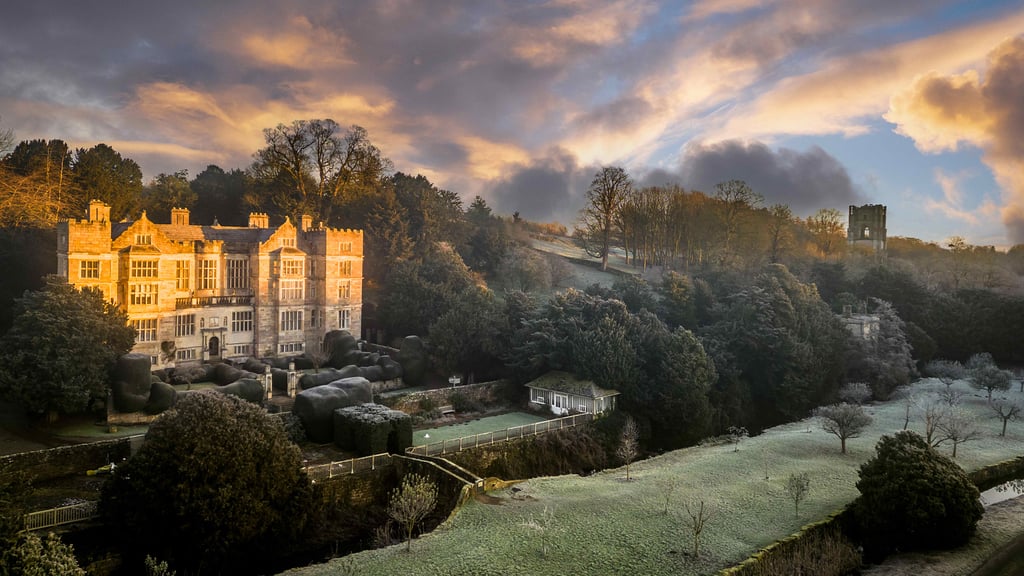
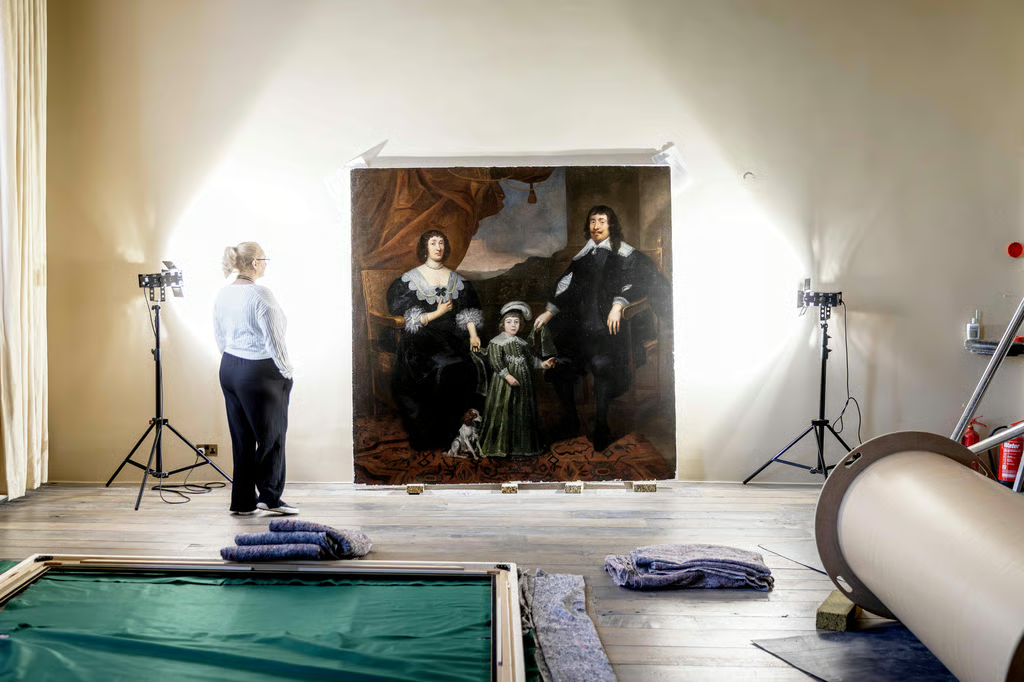
Tucked within the Fountains Abbey and Studley Royal Estate in North Yorkshire, Fountains Hall is one of the site’s most intriguing yet historically overlooked buildings. Now, reopened rooms welcome visitors for the first time in decades.
The new interpretations show how the 400-year-old building’s interiors evolved from manorial court to chapel to family home, with volunteer guides bringing the stories of its layered past to life. The Hall also celebrates the return of a portrait of Sir John Mallory and his family, who owned Studley Royal from the 15th century. Conserved after decades in storage, the painting now hangs in the Hall once more.
Need to know
Get involved in your 2026 AGM
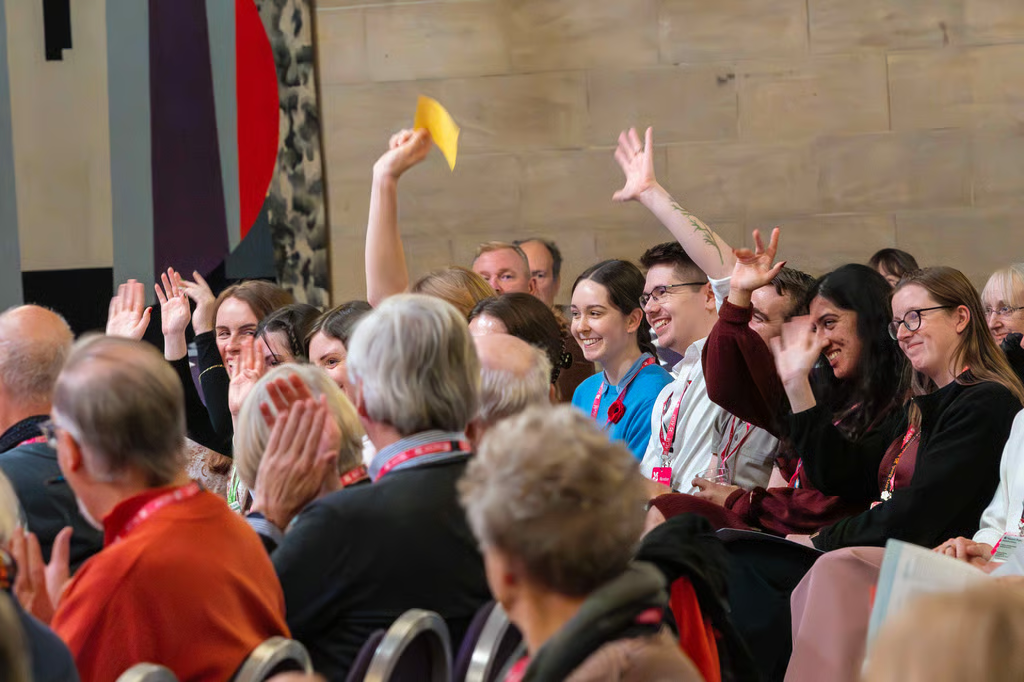
Your Annual General Meeting’s a familiar fixture in the Trust’s calendar, and we’d love you to be part of it again this year.
The AGM will be held online and at the STEAM Museum, Swindon, on 7 November.
The AGM is your opportunity to catch up on the work we’ve been doing over the past 12 months, hear about priorities for the year ahead and take part in decisions that help shape our shared future. Your voice matters, and the AGM is one of the most direct ways to make it heard.
You can have your say by:
electing members of the Trust’s Council, who in turn appoint the Board of Trustees and monitor and support the Board’s work.
voting on resolutions proposed by your fellow National Trust members.
asking questions – which can be done at the meeting itself if you’re attending, or in advance by emailing [email protected]. We aim to respond to as many questions as possible on the day.
How to vote
You don’t need to attend the AGM in order to vote. Council election voting closes at 11.59pm on Friday 30 October, and all election votes must be cast before then. AGM resolutions can be voted on in advance by the same deadline or, if you attend the AGM, during the meeting itself.
The AGM booklet on our website contains information about candidates standing for election to Council and details of this year’s Members Resolutions on banking arrangements and the Council election process.
Visit nationaltrust.org.uk/agm or phone 0344 800 1895 to get all the information you need, including how to:
cast your vote.
register to attend online or in person. This must be done in advance.
request a paper AGM booklet. Requests must be received by 5pm on 9 October.

Motor revival
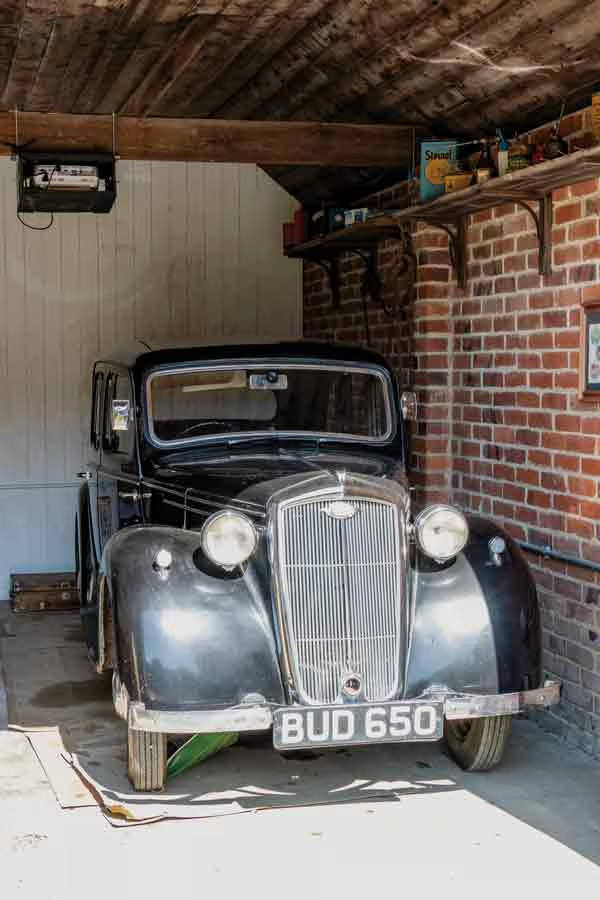
A beloved Wolseley Eight car is finally on the road again after years consigned to a garage. From 1946, the car – lovingly named ‘Bud’ on account of its number plate – was owned by Lady Elizabeth Nuffield of Nuffield Place, Oxfordshire. Her husband William Morris, Lord Nuffield, is widely recognised as the father of the British motor industry.
Recently, Ollie, a mechanic from the specialist conservation garage at the British Motor Museum, embraced the challenge of hunting down the right parts and has painstakingly restored everything from cork gaskets to the rubber parts of the suspension. Bud finally passed his MOT in February 2026 and the only roadworthy car in the Trust’s historic collection is now back on display at Nuffield Place.


National Trust Images x9, National Trust/Mike Heaton, National Trust/Jenni Holsey, National Trust/Trevor Ray Hart, Alamy, English Heritage, RSPB Images/Sam Turley

Contact us
General enquiries, including changing membership details:


0344 800 1895

Supporter Service Centre, National Trust, PO Box 7083, Stratford-upon-Avon, CV37 1XE

Leaving a lasting gift
Gifts in wills are vital to help us care for the places you love, from beautiful landscapes and coastline to historic properties. Every gift, no matter the size, makes a lasting difference in helping look after nature, beauty and history for future generations to enjoy.
Find out how to write or update your will using our free guide.
For everyone, for ever