Windows to the wild
e30513
Listen to this feature
You no longer need hiking boots, a snorkel or a four-wheel drive to get closer than ever to the UK’s wildest residents. Reach for the popcorn – nature is putting on a show
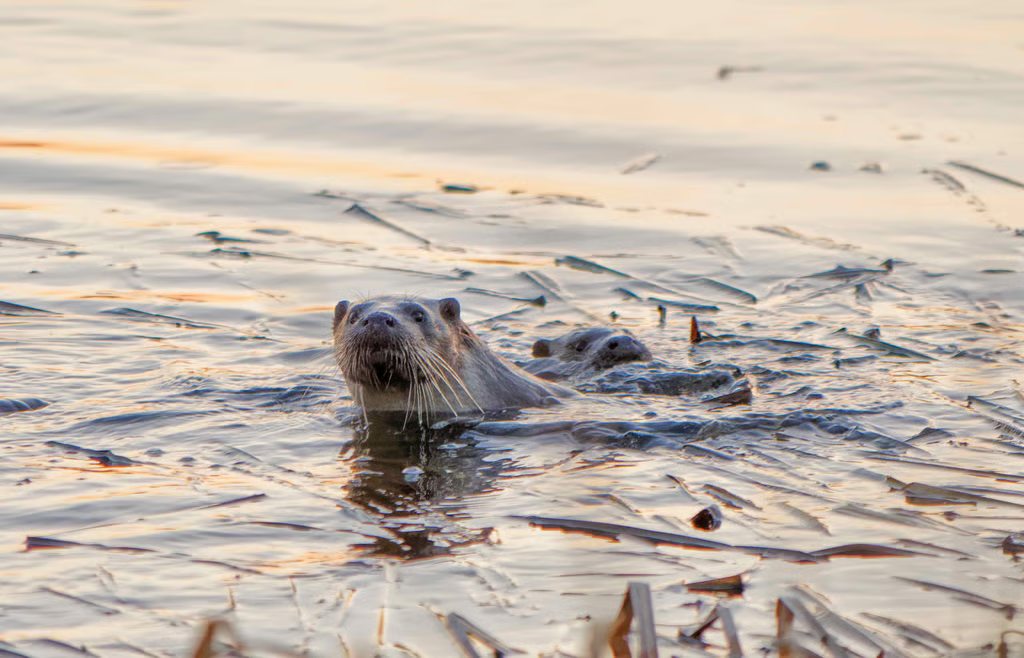
Above Otters, once on the brink of extinction, have made a great recovery in UK rivers
earing about the rich and varied wildlife that exists in the far-flung corners of the UK is all well and good – but nothing beats seeing it with your own eyes, right?
Too often, though, these remarkable moments are out of sight, unfolding under the cover of night or simply out of reach, requiring a complex itinerary of planes, trains and automobiles just to get close. In other cases, the sites themselves are simply too fragile or highly protected, requiring complete freedom from human footsteps for vulnerable species to thrive.
Thanks to livestream technology, it’s now possible to access the hidden worlds of some of the UK’s most enchanting creatures. Our lenses play different roles. Some operate behind the scenes to help rangers solve challenging conservation questions; some are set up for TV broadcasts; while others simply capture the nocturnal antics of species we rarely see, bringing joy to nature-lovers everywhere.
With 85 per cent of the UK’s population living in urban areas, many of us are a long way from seal colonies, remote sea cliffs or secret woodland enclosures, but a new project has provided a portal into those hard-to-reach places. With the support of Bloomberg Philanthropies, this year the Trust launched ‘Window to the Wild’, a number of top-of-the-range wildlife cams. They’ve been bringing viewers online ever closer to the births, nesting behaviours and species reintroductions happening year-round in our gardens, estates and woodlands. Mobile vans took the experience a step further, streaming real-time nature feeds directly into bustling city-centre streets around the UK for passers-by to marvel at for themselves.
This autumn, more cameras are due to come online, so do look out for them whenever you’ve a need to step outside your day and into the world of a bird or beaver. In the meantime, let’s look back at an incredible year of footage, and see what amusing moments, crucial scientific findings or unexpected dramas these windows to the wild managed to capture.
Puffins
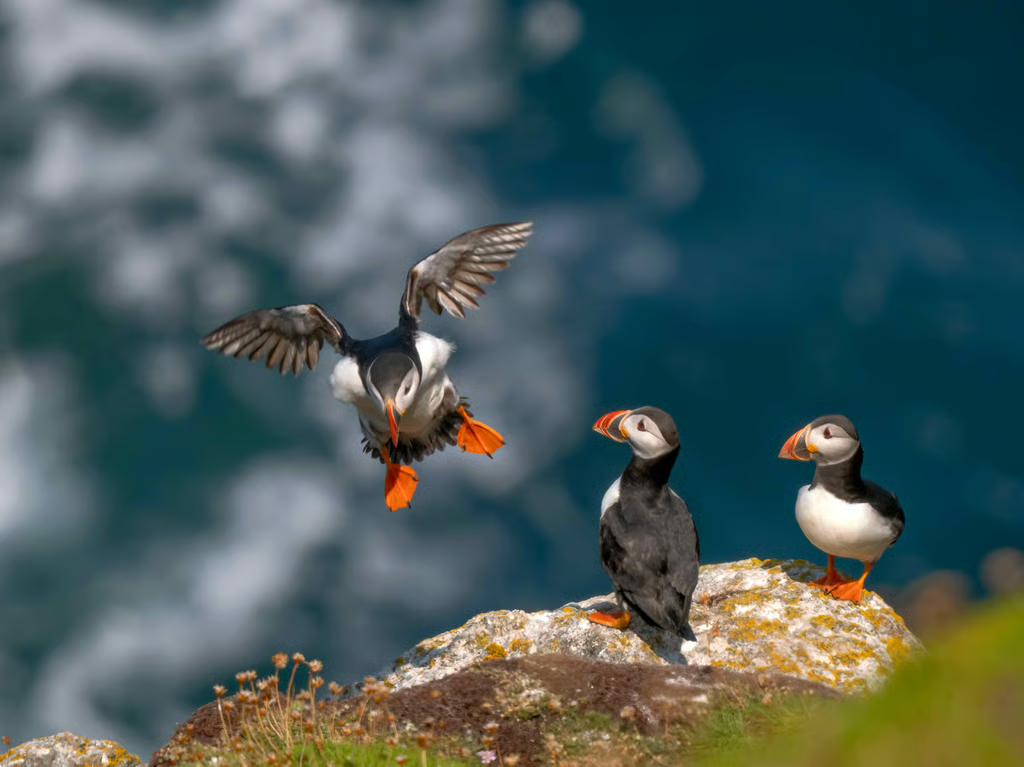
With their brightly coloured beaks and awkward, waddling gait on land, puffins are affectionately known as the ‘clowns of the sea’. The UK is home to about 9 per cent of Europe’s population, welcoming vast colonies back to its islands and sea cliffs each spring after a winter spent far out at sea.
Above A puffin coming in to land at Lundy, in Devon
Severe population declines have landed puffins on the UK conservation Red List. At Dancing Ledge in Purbeck, Dorset, a colony that numbered 40 pairs just 80 years ago has collapsed to just three. While adults have been spotted courting, mating and even carrying food underground, only one puffling (chick) has been sighted here in the last 30 years.
To try to understand the decline, we’ve installed motion‑sensor cameras on Dancing Ledge’s sheer cliff face. ‘If we’re to help this colony to survive, we need to establish what’s going wrong,’ says marine ornithologist Richard Caldow. ‘Puffins can live for 30 to 40 years, but with our current pairs likely over 20 years old, time is ticking. If they don’t breed successfully, the colony could vanish completely.’
In 2024, volunteers combed through 70,000 camera images but found no clear culprit. ‘Food shortages seem unlikely, as small fish remain plentiful and seabirds nearby are thriving,’ says Richard. ‘Our main suspicion is predation by rats or crows, which may be taking eggs or chicks.’
This year, the team upgraded to solar-powered cameras angled deep into the cliff’s fissures. Because the remote site lacks a signal to livestream, rangers wait until after the breeding season to retrieve the footage and look for answers.
About 350 miles (563km) north, the outlook is far brighter. The Farne Islands, off Northumberland, host one of the UK’s largest colonies of almost 40,000 pairs. Their success is helped by the islands’ isolation, absence of ground predators, and scrupulous monitoring by Trust rangers.
Here, live cameras give the public a front-row seat. First launched last year, the ‘puffin cams’ streamed daily from May until the birds departed in July. This year, the Trust added a new ‘burrow cam’ to reveal the hidden world of the pufflings, which remain underground until they are fledged.
Because the Farnes are a highly protected scientific and archaeological site, rangers couldn’t disturb existing burrows. Instead, they built an artificial, stone-covered burrow above ground. Though it was mainly used for naps this season, it remains ready for a new pair to nest in next year.


beavers
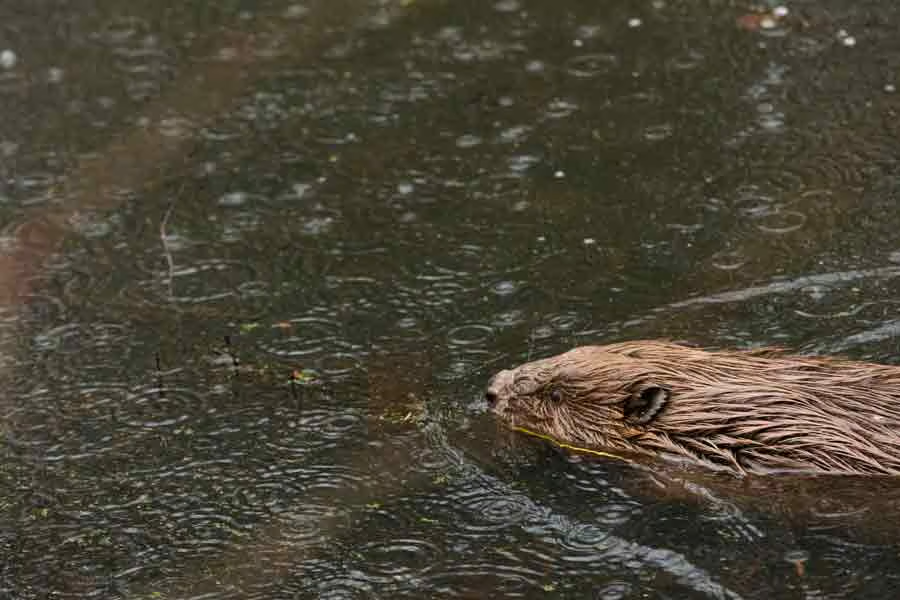
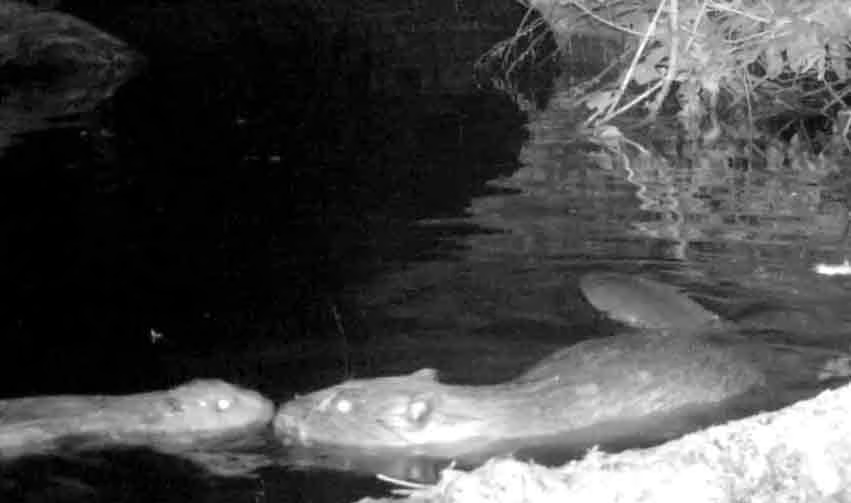
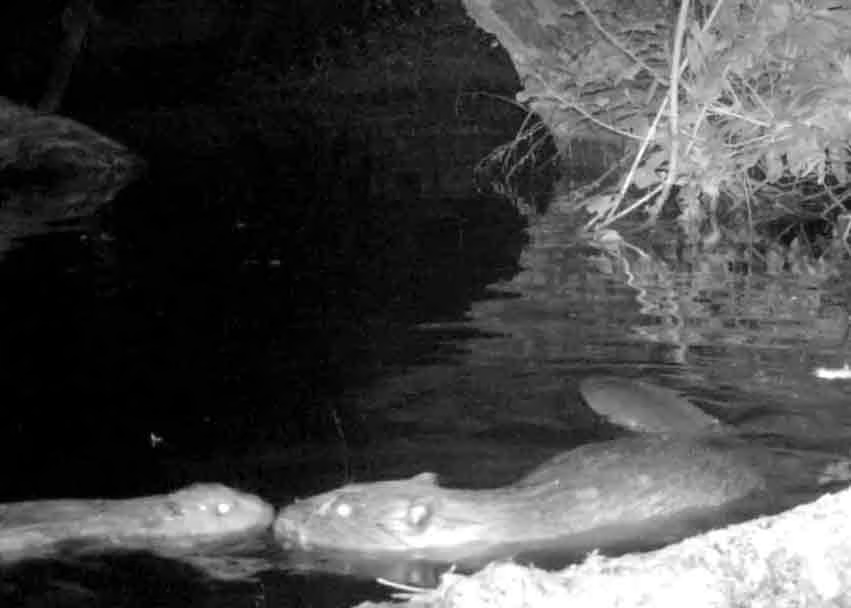
It’s the middle of the night on the Holnicote Estate in Exmoor, Somerset. A squat, muscular beaver clambers out of a pond, unexpectedly loses its balance, and topples backwards with a splash. Normally, its clumsy midnight tumble would pass unseen – but this year the beaver’s antics raised a smile for the thousands of viewers glued to Holnicote’s livestream online.
Above Holnicote Estate in Somerset is now home to 22 beavers
It took a comprehensive health and safety assessment and a full kilometre of wire cable threaded through the remote Exmoor countryside, from the beavers’ enclosure to the Trust’s estate office, to run the live feed. The footage shows the positive changes the Holnicote beavers are having on their landscape.
‘As well as the beavers themselves, we’ve seen so many species on their camera, including otters, water voles and kingfishers,’ says Beaver Project Officer Jack Siviter. ‘They’re all benefiting from the beavers’ presence. The other day I even heard a cuckoo calling – I hadn’t realised they were living in that part of the estate.’
Because of the way they can reshape their landscape, beavers are often described as ecosystem engineers. In the building and maintenance of their dams, they slow down water, which helps prevent flooding while locking the water in place to resist drought. ‘During last year’s dry summer, the beaver wetlands were the only deep water left on the estate,’ recalls Jack. ‘They acted as oases for other wildlife.’
Once widespread across the UK, beavers were hunted to extinction in the 16th century. But for some years now, conservation organisations including the Trust have been reintroducing them, taking advantage of the positive environmental changes they make. Following several previous enclosure releases at Holnicote, this spring the team released a pair and family of four into the wild, bringing the estate’s total population to 22.
Pied flycatchers
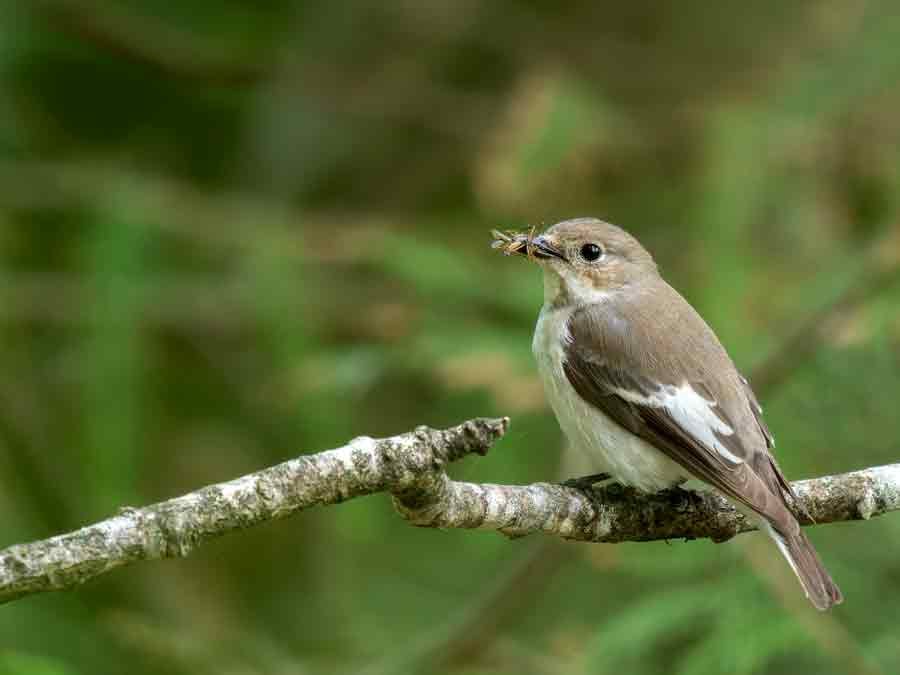
A fan favourite on BBC’s Springwatch in 2025, the charming pied flycatcher takes its name from its magpie-like plumage and acrobatic insect-hunting habits. These tiny birds travel thousands of miles from West Africa to nest in UK woodlands over summer, but breeding populations here have plummeted by over 50 per cent in the last 25 years.
Above Pied flycatchers often feed by snatching insects out of the air
While the UK’s main populations are tightly concentrated in the wetter, oak-wooded western valleys of Wales and South West England, Longshaw Estate in Derbyshire has bucked the trend to become a surprisingly vital stronghold for the species.‘We manage the woodland to create more dead wood and potential nesting places,’ explains Longshaw Ranger Mark Bull. ‘When we noticed their numbers declining in 2010, we began putting up more nestboxes and managing the woodland in a way we hoped would help. We now have 30 boxes spread across six different areas, monitored by a team of volunteers.’
To prepare for the breeding season, the team blocks half the nestboxes to prevent early-nesting competitors like blue tits from claiming them all. Inspired by the public’s enthusiasm for flycatchers through the Springwatch coverage, this year the Trust decided to install our own cameras into four boxes to keep the livestream action going.
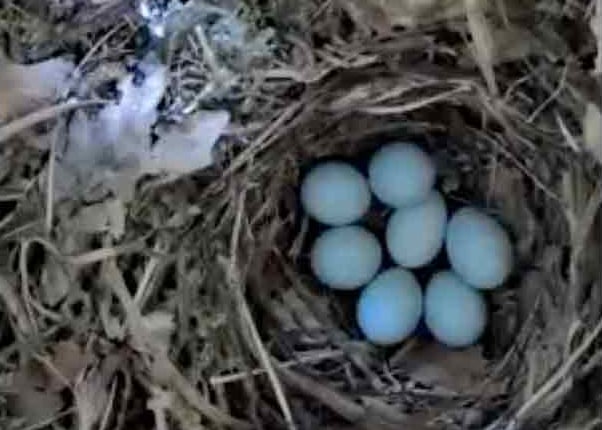
The cameras soon captured some dramatic relationship dynamics. While the female worked tirelessly, the footage showed the male flycatcher was far less attentive, forcing her to leave the nest to hunt for herself. ‘The males do sometimes mate with two females,’ Mark explains. ‘It could be he was too busy with his other female.’
Nevertheless, six chicks successfully fledged from the nest, contributing to the overall total of 200–300 pied flycatchers that fledge at Longshaw each year.
Alongside our entertainment, the cameras are also helping a research project with Liverpool John Moores University. The footage is giving scientists additional insights into nesting behaviour, and their findings will help the Longshaw team discover how to better protect these global travellers for the future.
Barn owls
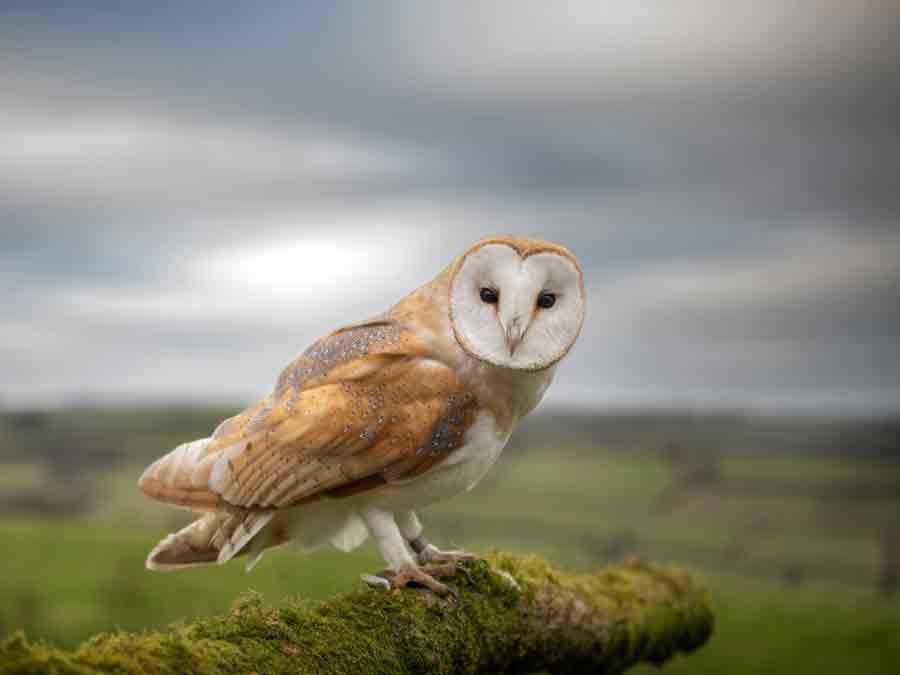
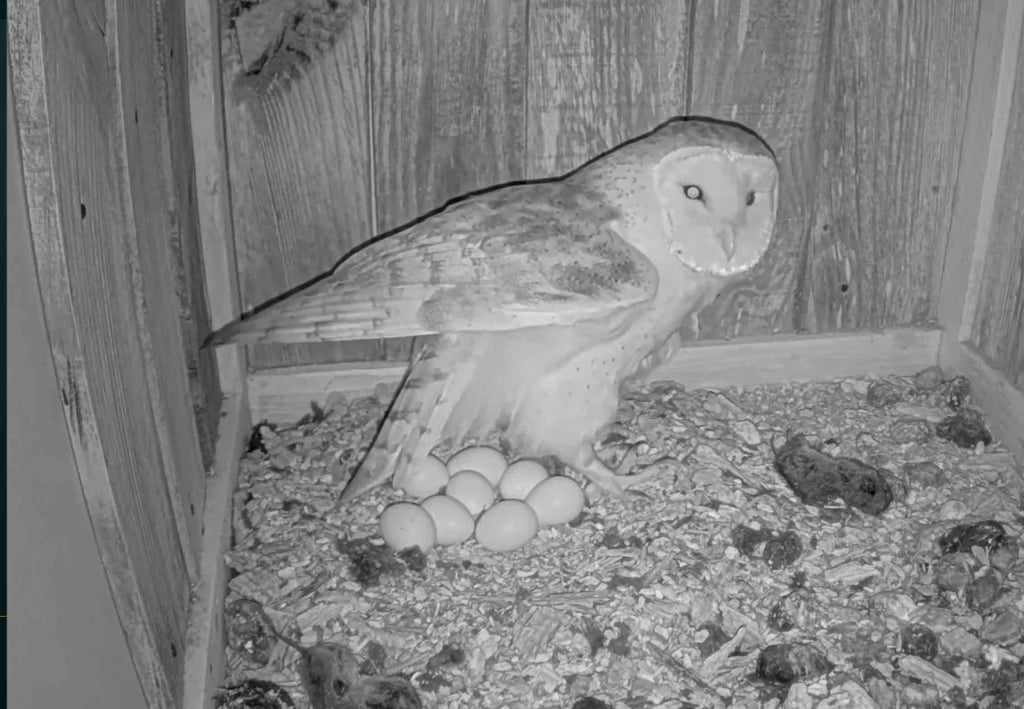
Famed for their heart-shaped faces and ghostly, silent night-time flight, barn owls are rarely seen up close in the wild. This summer’s livestream camera gave viewers an intimate window into the hatching and development of fluffy owlets (chicks) at the Arlington Court Estate in Devon.
Above Arlington Court in Devon is now home to three
breeding pairs of barn owls
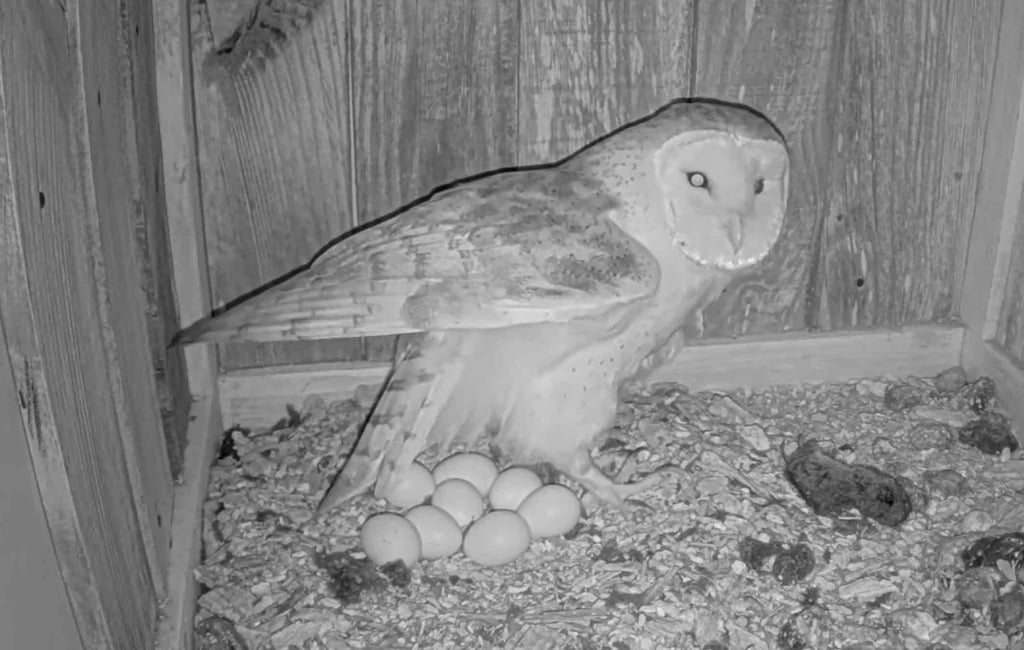
Our glimpse into the nestbox is the culmination of a major conservation success story. Since 2021, the estate’s breeding pairs have risen from two to three, with the average number of young fledglings nearly doubling. This mini-boom is thanks to changes the Trust has driven in land management. Reducing the numbers of grazing livestock has allowed grasslands and hedgerows to recover, boosting the populations of the voles relied on by the owls. Richer habitats have benefited kestrels and weasels, too, and lured swallows, house martins and swifts back to parts of the estate from which they had previously disappeared.
Seals
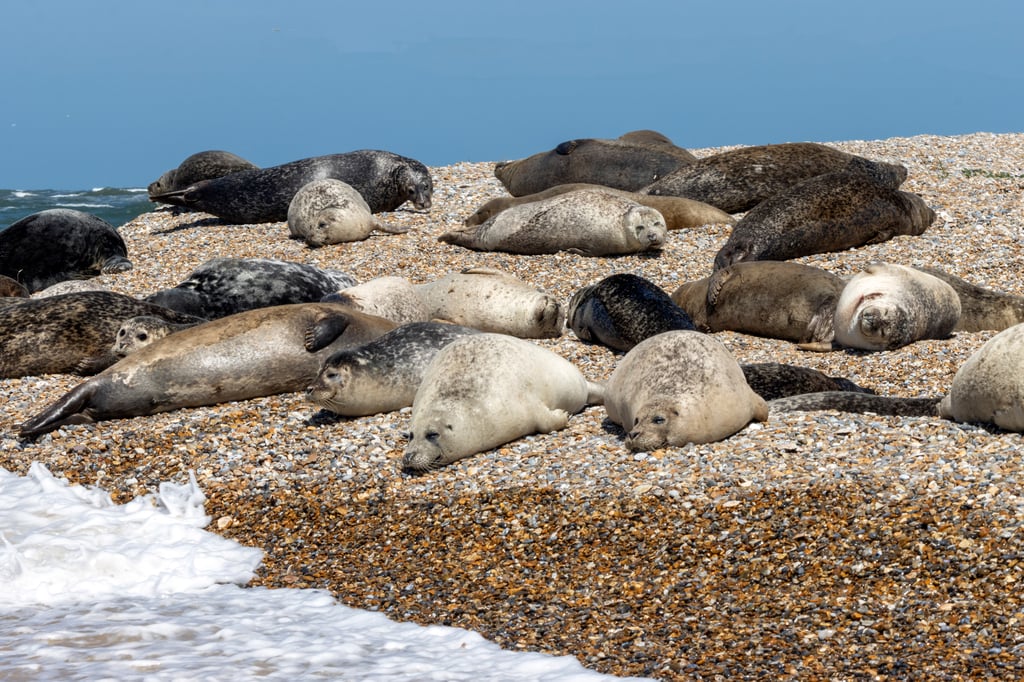
Each winter, Area Ranger Eddie Stubbings prepares to move out of his home in the Old Lifeboat House at Blakeney Point, where he lives and works as part of a small ranger team. It’s not the bitter Norfolk winter that drives him inland, but the colony of grey seals that comes ashore to give birth and breed.
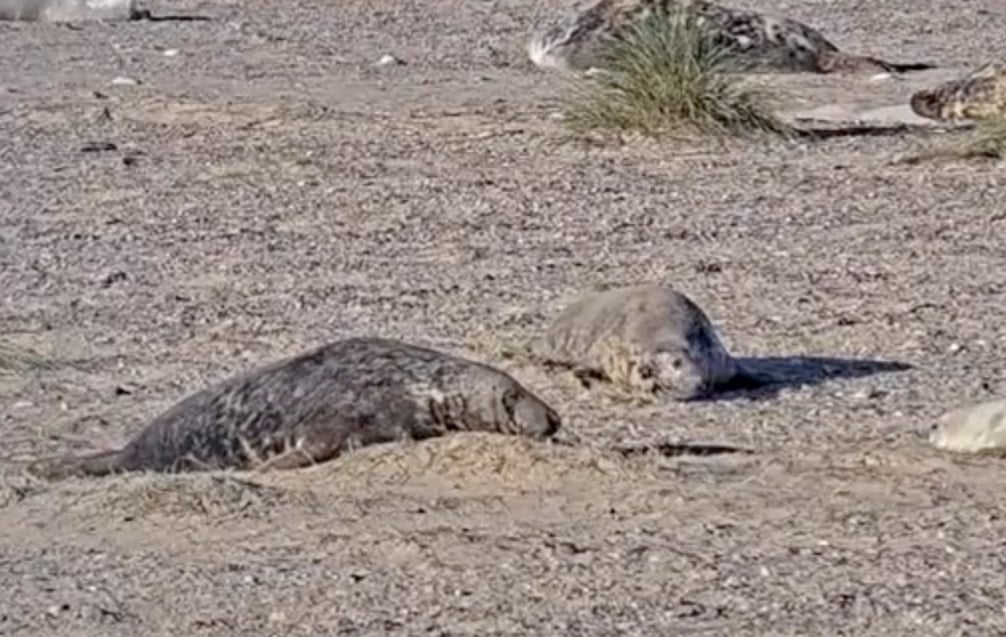
Above Access is limited at Blakeney, Norfolk, during the breeding season, but the solar-powered live camera can show us the grey seals’ daily lives
‘They arrive in such numbers that the colony spreads right along the ridge, sealing off the point completely,’ he says. ‘By mid-November, the beach is so densely populated it wouldn’t be safe or kind to stay. The seals even pup underneath the house.’
Reducing the disturbance in this area is key to the colony’s enduring success. Just five pups were recorded here in 1999; today, around 9,000 are born each year.
The seal breeding season follows a steady natural rhythm. ‘Each cow comes ashore to give birth and nurse her pup for around three weeks,’ says Eddie. ‘Just before she leaves, a bull will mate with her. Then that’s it, parental duties are over.’ The pups linger a while longer, moulting their white coats before heading out to sea.
At the end of the dunes, the rangers have set up a solar‑powered live camera in what will become the heart of the colony, ready to film the action. It’s enclosed within a low, seal-proof barrier and built robustly to withstand curious – and very heavy – neighbours as it records mothers arriving, pups feeding and daily coastal life.
‘We know how important the livestream became for people who aren’t able to get out to these places,’ says Eddie. ‘At Blakeney, where winter access is limited, it’s wonderful for everyone to see exactly what’s happening, without disturbance, allowing the seals to thrive.’
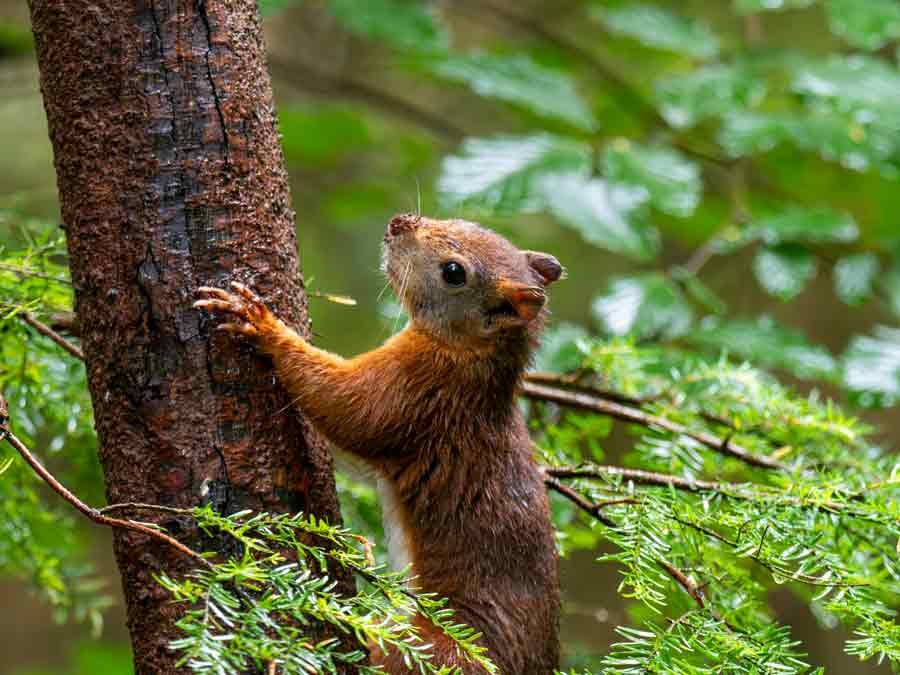
Red squirrels
The red squirrel is an endangered species in most of the UK, due to the loss of its woodland habitats, but it’s a different story off the coast of Dorset on Brownsea Island.
Above A livestream camera at Brownsea will attempt to capture red
squirrel romance high up in the tree canopy
Free of the invasive and normally dominant grey squirrel, Brownsea is one of the largest strongholds for reds in the south of England. A pine woodland sits at the island’s heart, and the red squirrels feed on the seeds in the cones, spreading them as they go and regenerating the area.
This winter, we’re installing a livestream camera in a Brownsea red squirrel’s drey (nest), high up in the tree canopy, close to the trunk. This is where they rest – and, in late winter, breed. Male squirrels engage in high-speed pursuits of fertile females in a practice known as ‘mating chases’, with spring litters born around March.
The stars of Springwatch
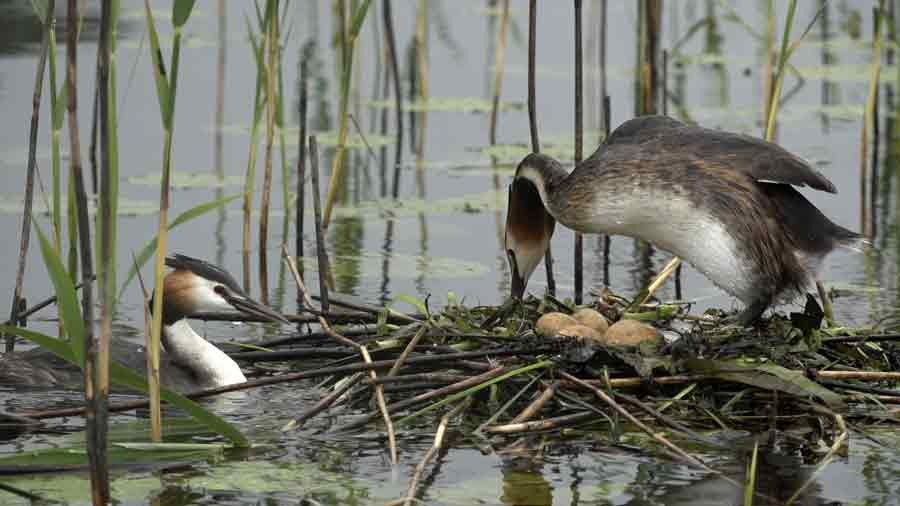
Throughout its three-week broadcast from Crom in County Fermanagh, the BBC’s Springwatch team hosted its live cameras online, with nests and woodland habitats beamed into people’s homes for 15 hours a day.
Above Springwatch cams capture great crested grebes at Crom, County Fermanagh
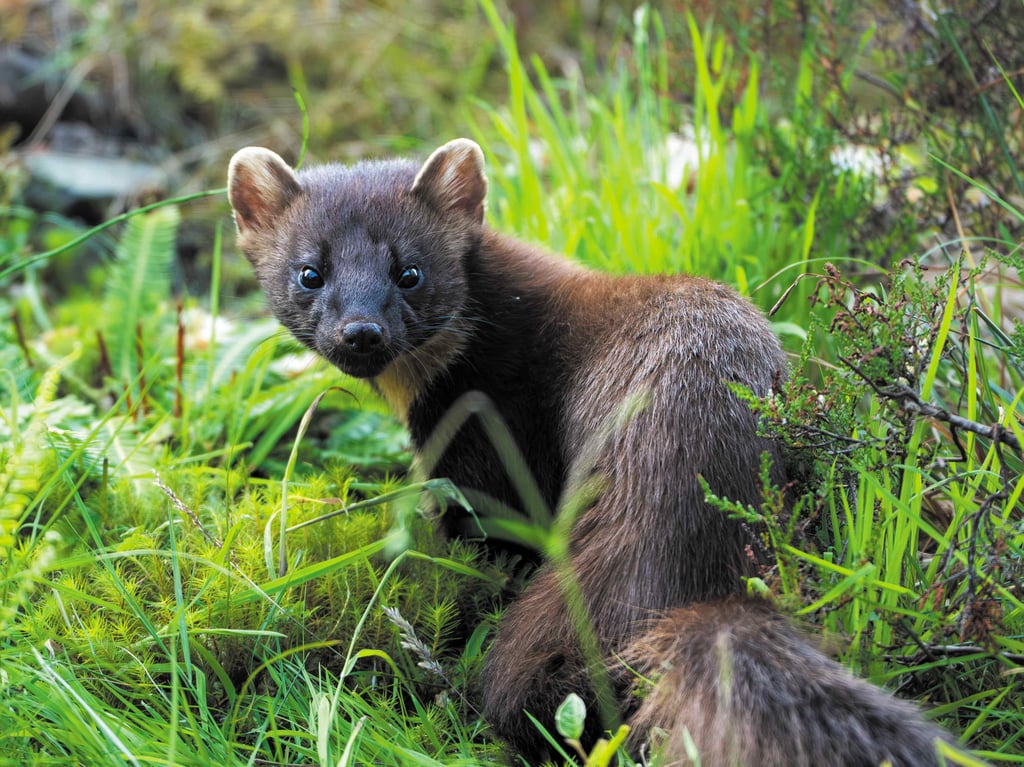
With around 100 people working on the production, Springwatch is one of the BBC’s biggest outside broadcasts, with researchers monitoring the cameras morning and night, gathering wildlife highlights from the shores of Upper Lough Erne. On the livestreams, viewers could track a stellar line-up of local residents – house martins, badgers, buzzards, pine martens, little grebes, warblers, robins, starlings, jackdaws, swallows and great tits – enjoying a glimpse into their hidden habitats.
Otters
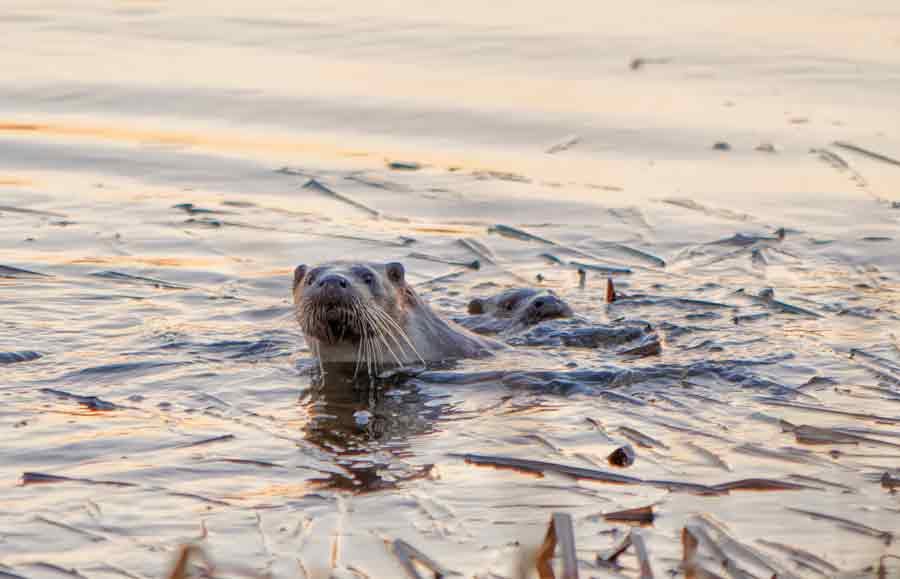
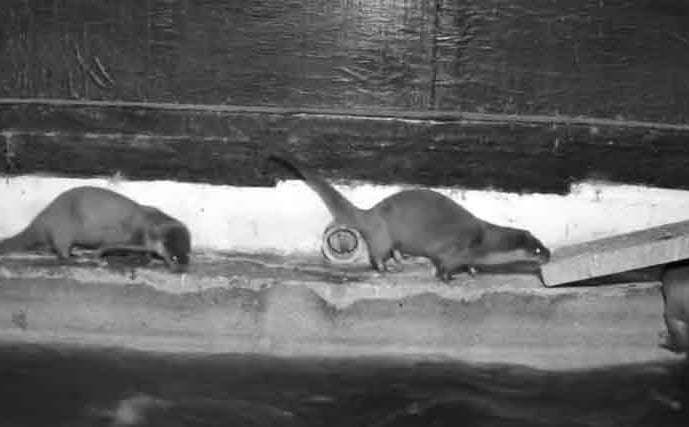
While many of the Trust’s wildlife cameras are relatively new introductions, some have been in situ for decades. At Winchester City Mill in Hampshire, there’s been a monitoring system in place for over 30 years, dating back to the 90s, when the Environment Agency installed the first cameras. The star of that show? The Eurasian otter – a species that has made a triumphant comeback across UK rivers after facing near-extinction in the mid-20th century.
Above Otters, once on the brink of extinction, have made a great recovery in UK rivers
In 2006, the City Mill team began maintaining and monitoring the otter-cam more formally. There have been many upgrades to the camera set-up since then. Motion-activated cameras now catch the otters in action as they emerge from under the Mill at night, scurrying around to hunt for food in the wildlife-rich River Itchen. There’s an underwater camera, too, with eels, brown trout and ducks adding to the line-up.
The Mill’s volunteers and visitors regularly enjoy the antics of the entertaining creatures who share their building, and the team shares otter-cam highlights with an international audience on the Mill’s social-media channels. As the river is an active otter corridor, there’s plenty of action. Whether it’s a late-night trout snack, motherly exasperation at a cub’s clumsy antics or a midnight cameo from a bat, the after-hours show never really stops.

National Trust Images x15, BBC Studios

Contact us
General enquiries, including changing membership details:


0344 800 1895

Supporter Service Centre, National Trust, PO Box 7083, Stratford-upon-Avon, CV37 1XE

Leaving a lasting gift
Gifts in wills are vital to help us care for the places you love, from beautiful landscapes and coastline to historic properties. Every gift, no matter the size, makes a lasting difference in helping look after nature, beauty and history for future generations to enjoy.
Find out how to write or update your will using our free guide.
For everyone, for ever