PLANT LIFE
Revamp your favourite meals to make them plant-based and you could be in for a surprisingly tasty result that’s better for the planet
By Sophie Kershaw
https://flex.ceros.com/edit/6a7486ec-n40e15d515788/T3tXm8XC?mode=design


our fork breaks through the burnished top of a cottage pie to reach the bubbling, savoury centre; you mop up the final drops of a hearty stew with a crusty roll; you brush away the sticky crumbs from a golden slab of flapjack that cling to your fingers.
Comforting, delicious and – perhaps surprisingly – all dishes you can make using plant-based ingredients.
Many people equate plant-based eating with a vegetarian diet – where no meat is included – or a vegan diet, which excludes any animal products. Although some do use the terms interchangeably, according to the World Health Authority plant-based eating is a diet made up primarily of plants or plant-based products. It can include small amounts of meat and animal products, so long as the bulk of the meal is made up of combinations of vegetables, fruits, legumes, whole grains, nuts, seeds or meat-replacement products such as tofu or tempeh.
At 2024’s AGM, National Trust members proposed a resolution calling for half of the menu options offered across its cafés to be plant-based, which was passed. The Trust has worked hard to meet the target. This autumn, visitors can expect an array of tasty new plant-based dishes landing on menus, including spiced pumpkin soup, sweet potato and vegetable massaman curry one pot, and new orange and sultana cookies. For Christmas, the sour cherry and mincemeat-filled flapjack brings a festive twist.
‘We’re excited to be able to offer members and visitors more choice when they eat at our cafés,’ says Development Chef Sasha Beviere. ‘We’ll still have dairy, eggs and meat on our menus, but we hope many people will enjoy the delicious plant-based dishes we’ve developed too, whatever type of diet they usually follow.’
There’s a growing awareness of the negative effects of intensive meat production on the environment, with more people choosing to make plant-based meals part of their weekly routines. Intensive livestock raising contributes to global greenhouse gas emissions, water consumption and loss of biodiversity. Introducing more plants to our plates and cutting down our meat and dairy consumption is one reliable way to support the global fight against climate change.
This autumn, visitors can expect an array of new plant-based dishes
With increasing interest in plant-based eating, it’s an exciting time to be cooking, too. Most recipe books now include plant-based options, and Instagram and TikTok are full of chefs imaginatively adapting recipes. Pioneers like chef duo Henry Firth and Ian Theasby of BOSH! have taken social media by storm with their quick and flavour-packed vegan recipes. Cookbook author Rachel Ama inspires her followers by infusing her dishes with vibrant Caribbean flavours. And Katarina Cermelj (known as The Loopy Whisk) brings her food science acumen to developing baking recipes to suit a range of diets – including dairy-free and egg-free.
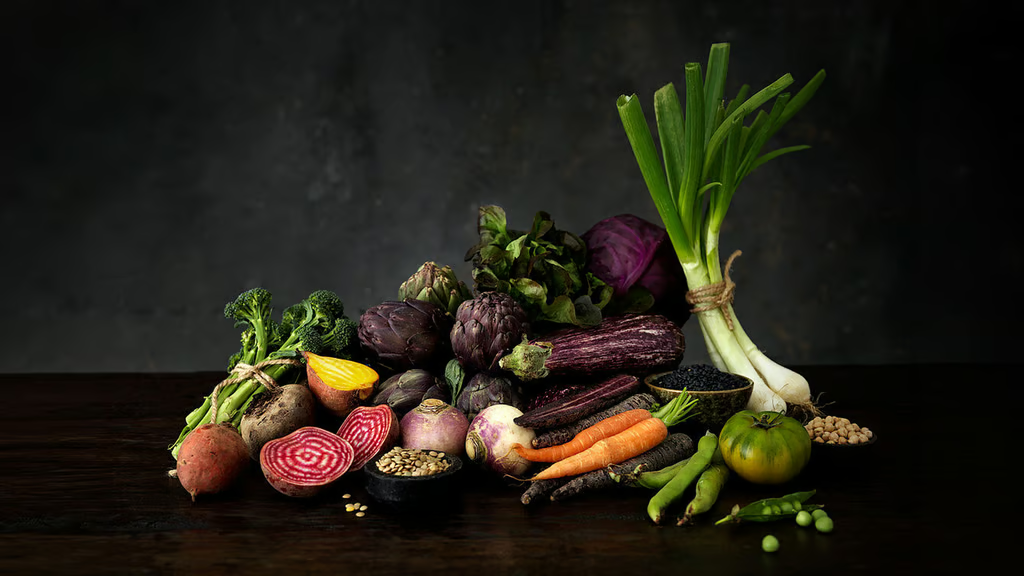
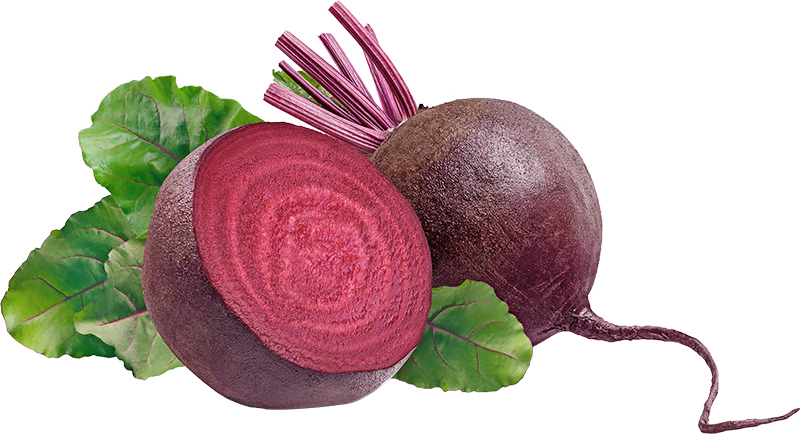
At home, there’s a wealth of delicious ingredients ripe for experimentation that are available throughout autumn and winter. You could try making seasonal vegetables the star of your plate, rather than relegating them to a side dish. Try roasting or stuffing squash, pumpkin or celeriac for a hearty vegetable centrepiece (below), or roasting sweet root vegetables such as parsnips or beetroot in the oven and then glazing them with maple syrup or tossing with fresh herbs.
You can get creative with classic dishes, too. Soak cashew nuts and whizz them in a food processor for a velvety smooth white sauce; cook tender green lentils down with tomatoes to create a family-friendly Bolognese (below), or char mushrooms on a griddle to use as a replacement for meat burgers.
It might not suit everyone to eat a plant-based diet all the time, but including a handful of plant-based dishes in your repertoire can be a fun way of getting more creative in the kitchen. And whether you opt to overhaul your diet entirely, embrace a plant-packed meal once or twice a week or simply switch the milk in your cup of tea for a plant-based alternative, the planet will thank you for it.
Sophie Kershaw
is a writer, chef and food stylist.
Simple switches
Keen to experiment with plant-based cooking? Take inspiration from these easy swaps


RECIPES
Celebrate the abundance of autumn with these plant-based recipes from
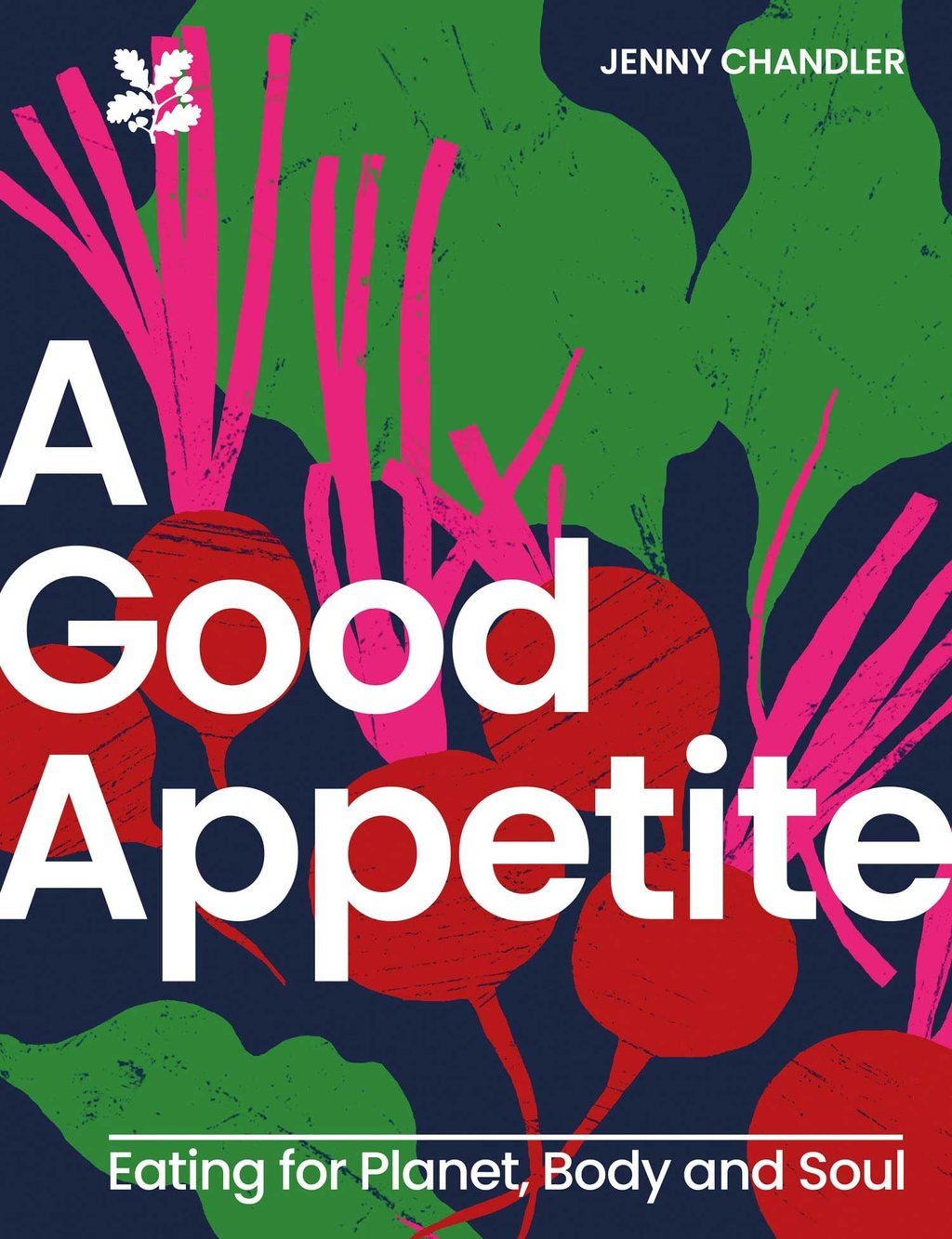
A Good Appetite by Jenny Chandler
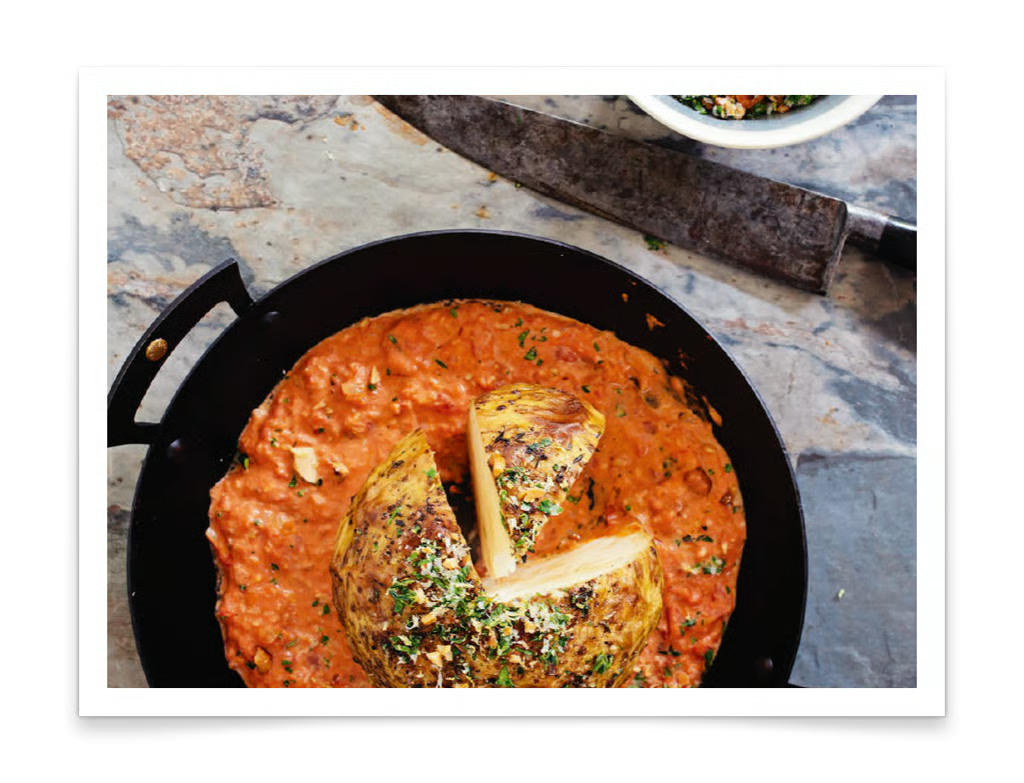


Roasted celeriac with tomato and lemon sauce
Celeriac can make a dramatic centrepiece for a meal
Serves 4
Ingredients

1 medium celeriac (about 1kg)

3 tbsp extra-virgin olive oil
1 tsp coarse sea salt
Leaves from 2 sprigs of thyme
1 onion, diced
4 garlic cloves, crushed
2 x 400g cans chopped tomatoes
Finely grated zest and juice of ½ lemon
2 tbsp tahini
4 tbsp nutritional yeast
100g roasted hazelnuts, roughly chopped
1 small bunch of parsley, finely chopped
1 small garlic clove, finely chopped
Salt and pepper
Method
1
Preheat the oven to 200ºC (180°C fan/gas mark 6).
2
Scrub the celeriac thoroughly, then pat dry with a towel. Place it on a large sheet of foil, rub in 1 tbsp of the olive oil and sprinkle with the salt and thyme leaves. Wrap up into a parcel and roast for 1½ hours.
3
Open up the foil and then roast for a further 45 minutes to caramelise. Meanwhile, heat the remaining olive oil in a small pan over a low heat and fry the onion for 10 minutes, or until soft. Add the crushed garlic and, once you can smell it, tip in the tomatoes. Simmer for about 20 minutes, then add the lemon juice and tahini. Season with salt and pepper.
4
Mix the lemon zest, nutritional yeast, hazelnuts, parsley and chopped garlic together in a bowl. Slice the celeriac into wedges at the table. Serve with the tomato sauce and sprinkle with the nut mixture.
Top tip
Don’t have a celeriac handy?
You could use a cauliflower, a large swede or an entire squash instead.
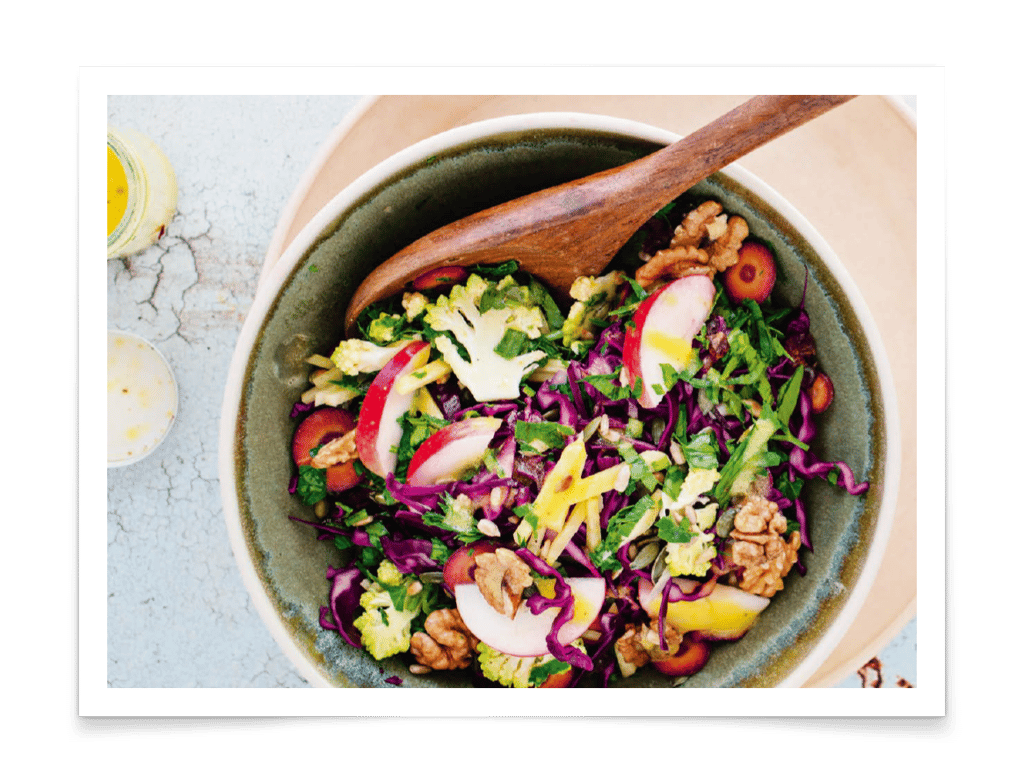
Rainbow slaw
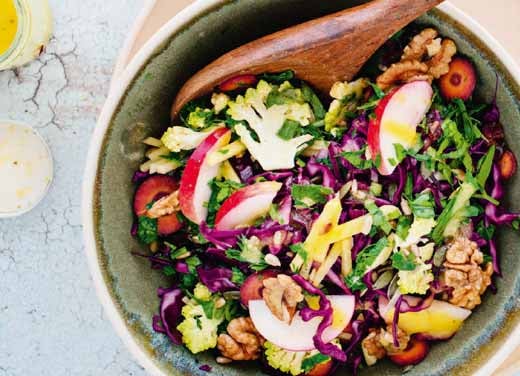
Crunchy slaws are a good way to use up leftover veg
Serves 4
Ingredients
½ red onion, diced
150g red, white or hispi cabbage or Brussels sprouts, finely sliced
2 carrots, cut into small chunks, matchsticks or discs
100g celeriac, kohlrabi, cauliflower, parsnip or beetroot, cut into small chunks, matchsticks or discs (finely slice any cauliflower cores)
1 apple or pear, unpeeled, cored and cut into chunks
4 dates, finely chopped, or dried figs, raisins or sultanas
A handful of nuts, such as walnuts, hazelnuts, almonds or peanuts
2 tbsp toasted seeds, such as sunflower, pumpkin, sesame, flax, hemp or poppy
A handful of fresh mint, parsley or coriander leaves (optional)
Dressing
2 tbsp vinegar (cider, sherry or wine vinegar)
4 tbsp extra-virgin olive oil
1 tsp Dijon or grainy mustard
Salt and Pepper
Method
1
Place all the chopped vegetables and fruit in a large bowl and add the dried fruit, nuts, seeds and herbs.
2
Shake the dressing ingredients together in a jar, balancing with salt and pepper. Toss everything together immediately before any fruit or vegetables begin to oxidise and turn brown.
3
The slaw can sit happily in the fridge for a couple of days and is best eaten at room temperature.


Mushroom and lentil ragu
A good ragu (or Bolognese) is a must for a home cook
Serves 6-8
Ingredients
2 tbsp olive oil
1 onion, diced
2 carrots, diced
1 celery stick, diced
300g portobello or chestnut mushrooms, diced
3 garlic cloves, crushed
250g pumpkin or any squash, peeled and diced
100ml red or white wine
3 tbsp tomato purée
400g can chopped tomatoes
800ml vegetable stock
200g dried green lentils
2 bay leaves
1–2 tbsp vegan Worcestershire sauce
About 1 tbsp sherry vinegar
Pinch of caster sugar (optional)
Salt
Method
1
Heat the olive oil in your largest saucepan over a low heat and fry the onion, carrots and celery for about 10 minutes, stirring occasionally.
2
Add the mushrooms and garlic, then increase the heat to medium. The pan will seem too dry but, as you stir, the mushrooms will release moisture.
3
Stir in the pumpkin, a pinch of salt, the wine, the tomato purée, the chopped tomatoes and the stock. Add the lentils and bay leaves, cover with a lid and cook on a gentle simmer for about 45 minutes, adding a dash of water if the pan seems dry.
4
Once the lentils are tender, balance with Worcestershire sauce and vinegar, and even a
pinch of sugar.
Top tip
Transform into cottage pie by placing half the cooked ragu in an ovenproof dish and topping it with mashed potato. Sprinkle over breadcrumbs and finish in the oven or under the grill.

National Trust Images x1, Alamy x6, Kirstie Young x2, StockFood/Eriksson, Lina

Contact us
General enquiries, including changing membership details:


0344 800 1895

Supporter Service Centre, National Trust, PO Box 7083, Stratford-upon-Avon, CV37 1XE

Leaving a lasting gift
Gifts in wills are vital to help us care for the places you love, from beautiful landscapes and coastline to historic properties. Every gift, no matter the size, makes a lasting difference in helping look after nature, beauty and history for future generations to enjoy.
Find out how to write or update your will using our free guide.
For everyone, for ever